Cardiovascular disease 

Cardiovascular disease (CVD) is the leading cause of death globally for both men and women, with many of those deaths occurring before the age of 70 – especially in low- and middle-income countries (LMICs). It is also one of the most preventable NCDs.

Key facts

CVD is hitting LMICS hardest

High-income countries have managed to lower CVD mortality rates in the past decades, but low- and middle income countries (LMICs) are seeing the opposite, with a rising number of deaths - including those before age 70. Many of these countries are not equipped for CVD prevention, early detection or treatment.

Women face inequity in CVD care

CVD is often considered ‘a man’s disease’, despite being the leading cause of death in both men and women. Due in part to this bias, women are more likely to be misdiagnosed, diagnosed at an advanced stage, and undertreated.

CVD is inseparable from planetary health

Air pollution is a leading cause of CVD, and the climate crisis is driving unsustainable food systems and limiting possibilities for physical activity. To reduce the CVD burden, we must make planetary health a priority.

What is CVD? 

Our hearts are powerhouses that never stop working – they are pumping blood loaded with oxygen and nutrients throughout our body day and night. Caring for our cardiovascular system – the heart, veins and blood vessels – is essential for health. Yet CVD is the leading cause of death globally. It accounts for about half of all NCD deaths, often claiming lives 'prematurely', or before the age of 70. 

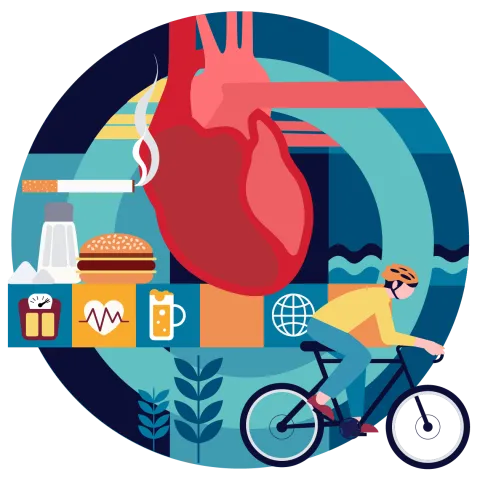
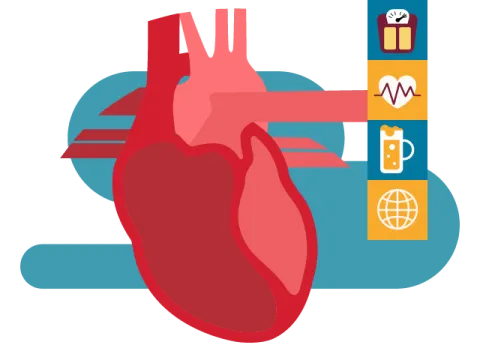
However, CVD is also among the most preventable causes of death. There is substantial evidence that about 80% of CVD deaths are caused by the main NCD risk factors - tobacco, alcohol, air pollution, unhealthy diets, and physical inactivity. Governments have many tried-and-trusted policies that can protect people from these risk factors. It is time to put them into action to save lives.

Common cardiovascular diseases
Cardiovascular diseases are a group of disorders that affect the heart, veins and arteries. They include those described below. Heart attacks and strokes cause 85% of CVD deaths.

La acumulación de grasa en las arterias del corazón impide que la sangre llegue al corazón, lo que provoca la mayoría de los ataques cardíacos y otros síntomas.

Son enfermedades, entre las que se incluye el accidente cerebrovascular, que impiden que la sangre llegue al cerebro.

La acumulación de grasa provoca el estrechamiento de las arterias de los brazos o las piernas, lo que limita el flujo sanguíneo.

Una afección prevenible y potencialmente mortal en la que las válvulas cardíacas sufren daños permanentes a causa de la fiebre reumática.

Defecto en la estructura del corazón o de los vasos sanguíneos principales presente desde el nacimiento.

Coágulos sanguíneos en las venas de las piernas, que pueden desprenderse y desplazarse al corazón y los pulmones.

Why is it urgent to act on CVD?
Besides being the leading cause of death, CVD is closely linked with global development priorities, including those highlighted below.

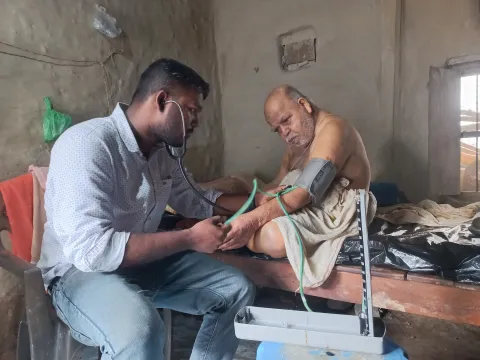
Las ECV se producen con mayor frecuencia en los países de ingresos bajos y medios (PIBM) que en los de ingresos altos, y con una tasa de mortalidad mucho mayor. Esto se debe principalmente a que las personas que viven en PIBM a menudo no tienen acceso a programas de atención primaria de salud para la prevención, la detección precoz y el tratamiento de factores de riesgo como la hipertensión. Para muchas personas de estos países, la detección es tardía y, llegada ese punto, el tratamiento ya no está disponible o es inaccesible. Las personas más pobres de todos los países y comunidades son las más afectadas.


Las enfermedades cardiovasculares son la principal causa de muerte entre las mujeres en todo el mundo: se cobran la vida de una de cada tres, más que todos los tipos de cáncer juntos. Sin embargo, las ECV en mujeres siguen estando muy poco estudiadas, reconocidas, diagnosticadas y tratadas. Esto se debe principalmente a creencias erróneas y a la falta de concienciación tanto entre las pacientes como entre los médicos. Las mujeres también están infrarrepresentadas en los ensayos clínicos sobre ECV y entre los profesionales sanitarios especializados en estas enfermedades.

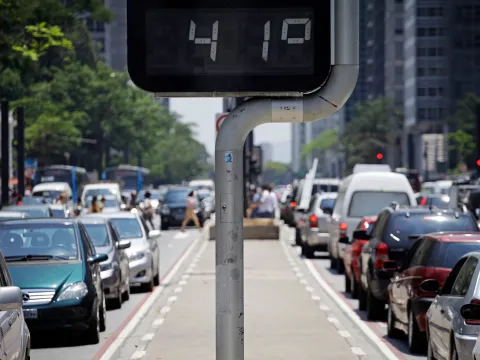
Las ECV, sus factores de riesgo y la crisis climática están íntimamente relacionados. Las temperaturas más altas aumentan el riesgo de ECV y provocan fenómenos meteorológicos extremos que interrumpen el suministro de alimentos saludables y dificultan la práctica de actividad física al aire libre. La contaminación del aire aumenta los casos de ECV, así como las temperaturas. La producción de tabaco contamina los ecosistemas terrestres y acuáticos, con efectos devastadores para la salud del planeta. Este círculo vicioso para la salud humana y planetaria solo puede detenerse con una respuesta integrada.

Diarios de ENT
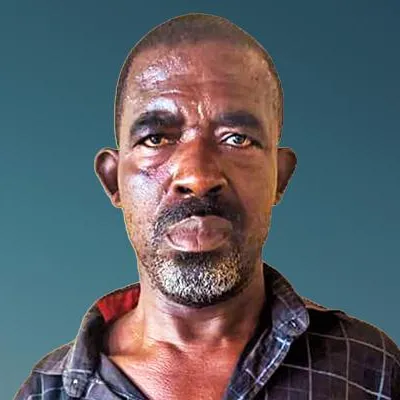
"Muchas personas que viven con ENT en Camerún no tienen acceso a servicios de salud y, por lo que no son diagnosticadas. Cuando logran acceder a estos servicios y reciben son diagnosticados, no cuentan con un seguimiento adecuado de apoyo al tratamiento y la gestiñon de su enfermedad. Muchas otras personas ni siquiera tienen idea de qué son las ENT, ni de sus signos y síntomas, ni de cómo prevenirlas"
Aaron Nfortentem, lived experience of diabetes, hypertension and cerebrovascular accident, Cameroon
Descubre la historia de Aaron

Turning the Tide

Living with rheumatic heart disease in Mozambique

For many people in high-income countries, it may be hard to imagine dying from an illness that can be easily treated with antibiotics like penicillin. But that is the case for about 350,000 people – mostly women and children – who die from rheumatic heart disease (RHD) each year. 95% of these deaths are in LMICs, and they are most often in low-income communities. The small percentage of RHD cases that occur in high-income countries occur almost exclusively among marginalized communities, including indigenous populations. 

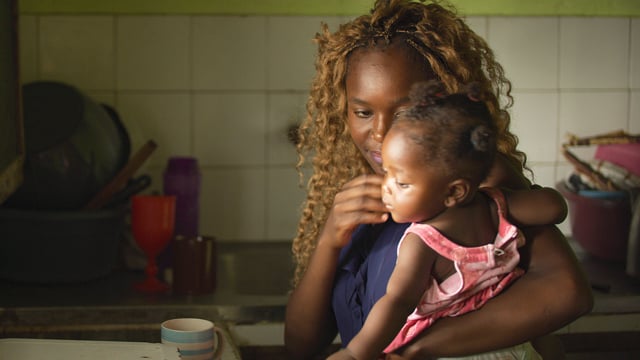
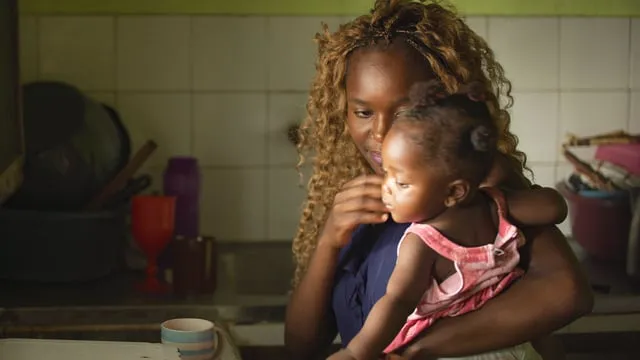
Person living with rheumatic heart disease holds her baby in her house's kitchen in Mozambique.

RHD is a CVD resulting from damage to heart valves caused by rheumatic fever, which itself is a reaction to strep throat. RHD is preventable through treatment with penicillin. But many families with limited resources may not be able to go to the health clinic, and penicillin is highly prone to shortages in LMICs. 

55 million people are currently living with RHD, but most of them will not live to age 40. It’s too late for them, but improving access to essential medicines like penicillin can save others from preventable disability and death from RHD.

Discover the Turning the Tide series

Solutions to address the CVD burden
80% of CVD deaths can be prevented. Among those which cannot, their impact can be reduced. But governments need to implement NCD prevention policies and invest in cost-effective treatment interventions.

NCD Countdown 2030 has shown that countries can still achieve SDG 3.4 with a framework for NCD investment that is centred around 21 key interventions that are feasible for implementation in all countries. The reduction in NCD mortality would be greatest for CVD, with seven interventions focused specifically on this disease group.

Governments and policymakers are responsible for ensuring people have access to the tools they need to live a healthy life, including health literacy, affordable nutritious food, and well-planned urban spaces that encourage an active lifestyle. This takes multi-sectoral, all-of-society collaboration – everyone needs to be on board to create a healthier future.

People in LMICs face many barriers to accessing adequate care for CVD. Health systems are often not equipped for CVD treatment, and face a shortage in skilled health workers. The digital divide limits self-monitoring and care, and there is low awareness of CVD and its risk factors. Getting CVD under control will not be possible without closing these and other gaps first.

Opciones para compartir: