

Our Goal
Promoting evidence-based, cost-effective policies
We focus on high-impact prevention measures and multisectoral collaboration, addressing diverse determinants of health.
Over the past two decades, NCD prevalence has surged, especially in low- and middle-income countries. This is due in large part to increased exposure to the main modifiable NCD risk factors - tobacco, alcohol, unhealthy diets, lack of physical activity and air pollution. By addressing these risk factors through targeted, cost-effective policies, most NCDs can be prevented or delayed into advanced age.



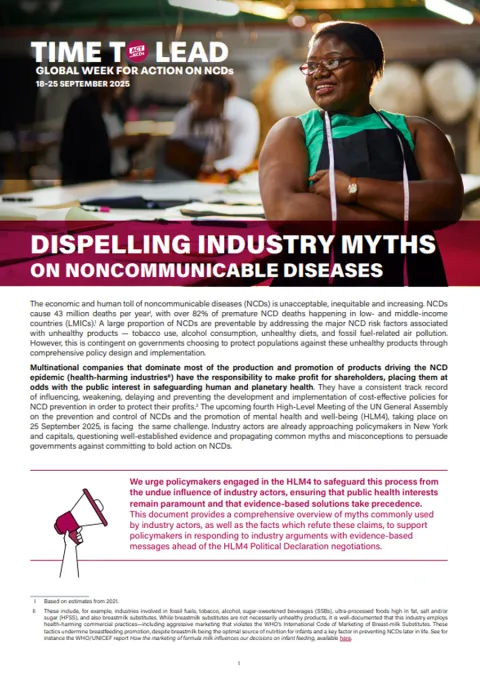
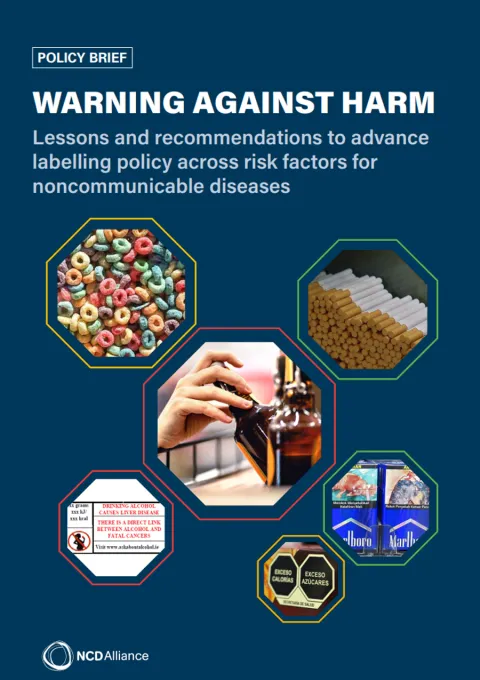
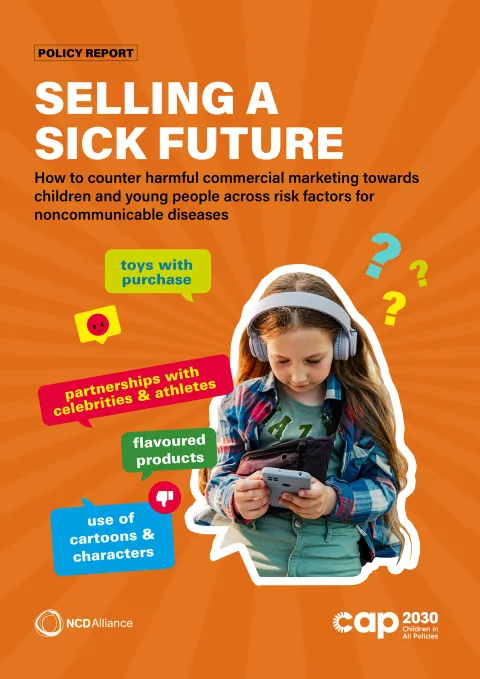
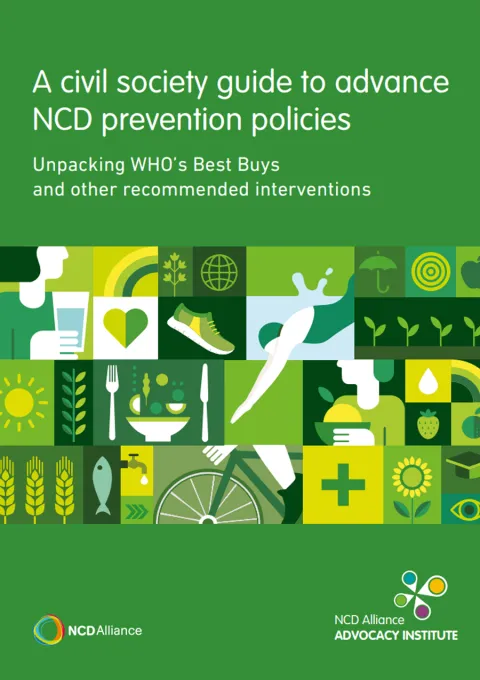
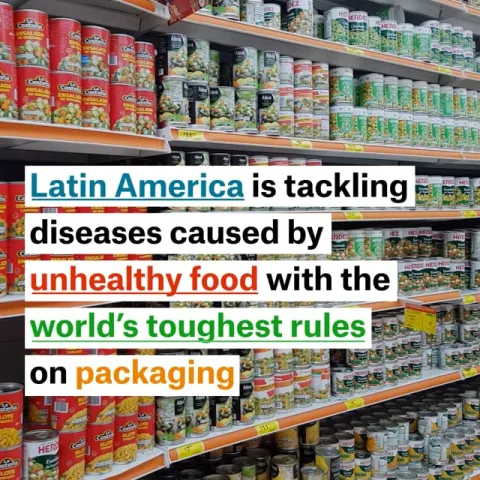
Watch our Nutrition Trailblazers video series



"Prevention is better than cure. It's cheaper, easier to handle, and more cost-effective. NCD prevention should be everyone’s priority—government, healthcare professionals, civil society, and individuals must all contribute."


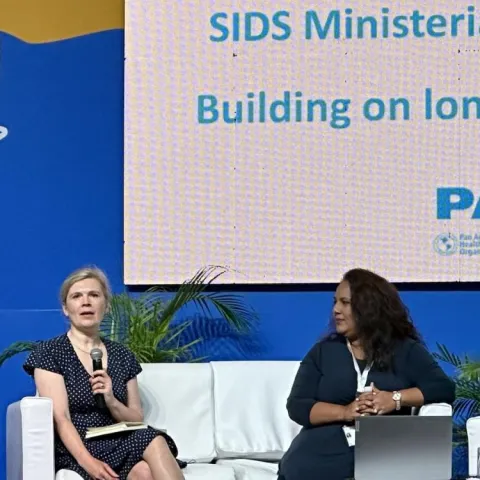




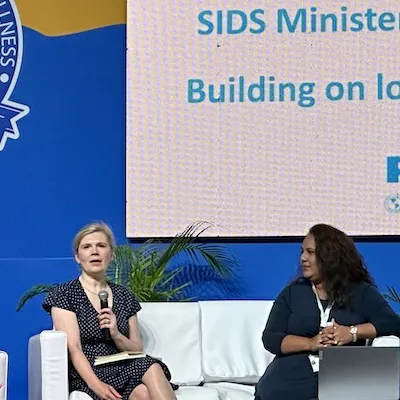


NCD prevention in Small Island Developing States
The NCDA played a key role in shaping the Bridgetown Declaration—a landmark commitment to tackling NCDs and mental health that addresses the commercial determinants of health and climate change as the main drivers of the NCD burden in Small Island Developing States (SIDS).
Working with the Healthy Caribbean Coalition (HCC), NCDA contributed to SIDS-specific recommendations for health-promoting environments, sustainable food systems, climate health, and integrated NCD services. Adopted by SIDS leaders in 2023, the declaration guides regional action and supports global advocacy.

Mexico bans industrially-produced trans fats: A major public health win
In September 2023, Mexico took a significant step to protect public health by passing a law to ban industrially-produced trans fatty acids (iTFAs) from all food and drinks. Years of advocacy ahead of this landmark legislation was led since by México SaludHable coalition, supported by the NCD Alliance through its partnership with Resolve to Save Lives.
With iTFAs causing around 500,000 deaths annually, including 20,000 in Mexico, this policy marks a crucial step in reducing NCD risk and promoting healthier diets.
Prevention is not just a public health imperative—it’s a fiscal one.
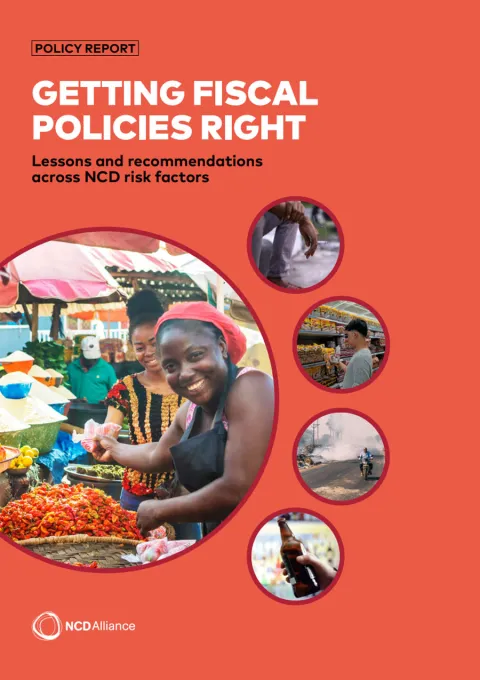
In 2024, NCDA published Getting Fiscal Policies Right, a report outlining effective tax and subsidy measures across NCD risk factors. The report supports advocates in making the case for 'triple win' fiscal policies that reduce exposure to health-harming products, improve population health and generate public revenue. Health taxes have been front and centre ahead of the 2025 UN HLM, with Member States reaffirming their value for health, equity, and sustainable financing.
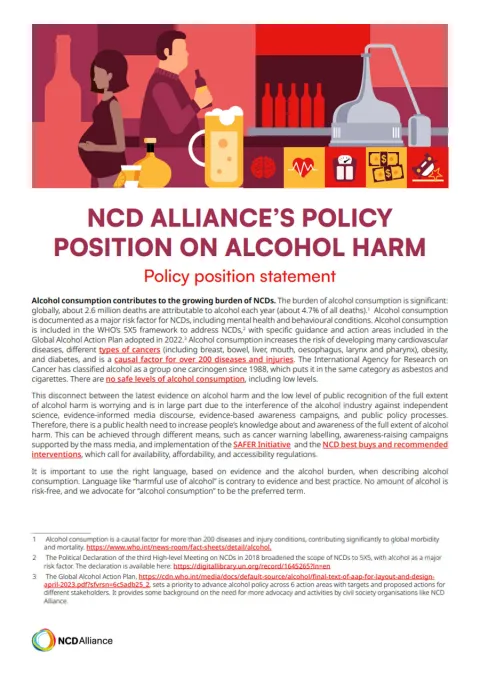
NCDA releases a new position on alcohol control
NCDA's policy position on alcohol control emphasises the need for comprehensive strategies to address the marketing and branding of no-and-low alcohol (NoLo) products, reduce alcohol-related health inequalities, and counter industry interference in policymaking. Our position also calls for clear labelling and distinct marketing standards for NoLo products to prevent exploitation by the alcohol industry.