Walk the Talk webinar focuses on social participation in the post-HLM response
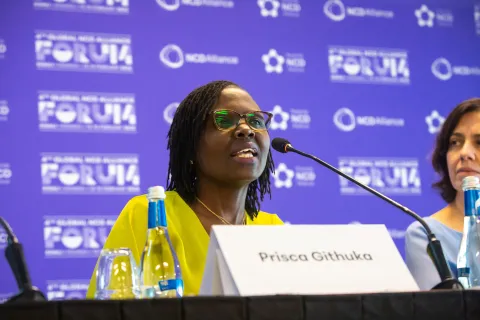
Our Views Our Voices hosted its fourth Walk the Talk webinar on 27 November, providing an opportunity for NCD civil society to debrief on the UN High-Level Meeting on NCDs and Mental Health (HLM4) and its Political Declaration. It also created a space for critical dialogue around meaningful involvement of people living with NCDs in the post-HLM4 response, identifying practical next steps to sustain collaboration and follow up with governments.
The Political Declaration recognised the importance of lived experience and social participation in informing policy development and national plans for NCDs, as well as in monitoring and follow-up. The panellists shared their insights on how meaningful involvement of people living with NCDs can be implemented and institutionalised within countries and organisations. They highlighted that people with lived experience are not just beneficiaries, but co-designers and experts in shaping policy. They also shared important lessons learned from their work; for instance, there is greater buy-in from policymakers when they see alliances and shared agendas. They also emphasised that engaging the media is important to garner attention from policymakers, and that people with lived experience can continually develop media relations skills to help achieve this.
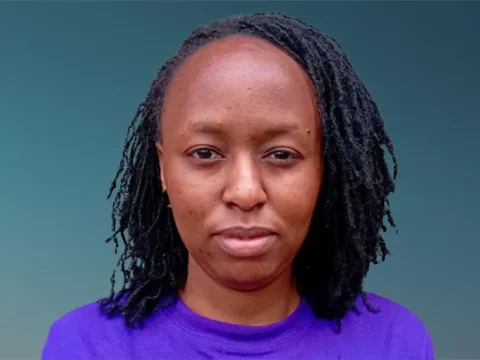
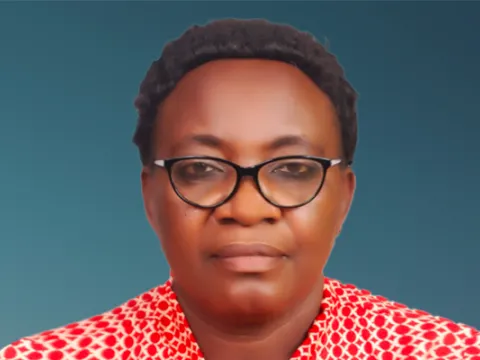
The webinar included a presentation from NCD Alliance Policy and Advocacy Manager Liz Arnanz on the outcomes of HLM4 and what they mean in the context of social participation and meaningful involvement in national NCD responses. There was also a panel discussion, moderated by Our Views, Our Voices Global Advisory Committee member Lucía Feito Allonca. Dr Lavanya Vijayasingham from the WHO Symposium Steering Committee on Meaningful Engagement of People Living with NCDs, Mental Health and Neurological Conditions, discussed how platforms such as the WHO Symposium and the WHO Framework for meaningful engagement of people living with NCDs has increased the visibility of people with lived experience, and the need for a shift towards national-level implementation.
Neena Joshi from The George Institute presented a case study from the Social Participation for Health Engagement Research and Empowerment consortium (SPHERE) on social participation of transgender people in Argentina, and how the process can be applied more broadly to the NCD response. Prisca Githuka from Our Views, Our Voices Global Advisory Committee and NCD Alliance Kenya provided an example of how Kenyan NCD advocates successfully advocated for the expansion of financial coverage for cancer care, and Neil Betteridge from Global Alliance for Patient Access (GAfPA) shared an example of GAfPA’s work in Belgium to make osteoporosis diagnosis and care person-centred and fully integrated, through forming alliances.
Embedding meaningful participation of people living with NCDs in the national response is essential to achieve the targets set out the in the Political Declaration. As this latest Walk the Talk webinar demonstrates, there are many best practices and key learnings that civil society can take forward, and a number of opportunities for the NCD space to make room for people with lived experience. In addition to the WHO Framework for Meaningful Engagement, Our Views, Our Voices rolled out its Global Charter on Meaningful Involvement of People Living with NCDs, which guides organisations to commit to principles and strategies that enable participation of people with lived experience in decision-making at all levels.