Why Civil Society Matters in the NCD Response in the Eastern Mediterranean
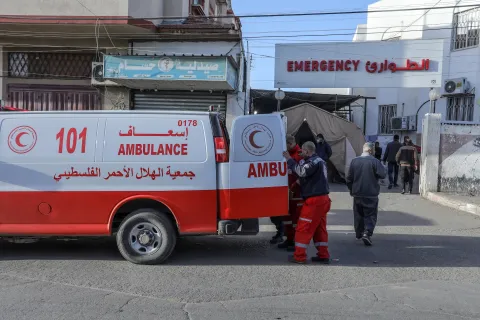
To respond to the questions we can no longer afford to ignore—on recognition, sustainability, and partnership—we must confront a rapidly evolving reality: civil society organisations (CSOs) working on noncommunicable diseases (NCDs) in the Eastern Mediterranean Region (EMR) are being asked to deliver more, with fewer resources, in increasingly complex and fragile environments.
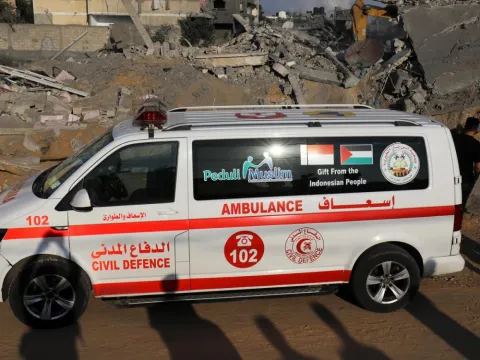
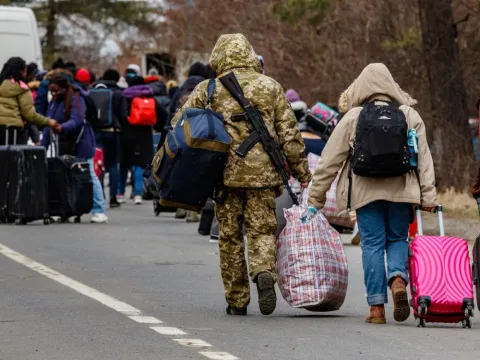
The EMR is grappling with political instability, protracted armed conflicts, and escalating geopolitical tensions that are severely undermining the delivery of NCD services. Ongoing crises in countries such as Sudan, Gaza, and Yemen, alongside rising tensions involving Iran and neighbouring states, are disrupting health systems and compounding a broader regional public health emergency. Widespread displacement, destruction of infrastructure, and constrained humanitarian access are driving both immediate and long-term health consequences.
Across the region, NCDs already account for nearly three-quarters of all deaths, and this burden is intensifying in crisis settings. Health systems are under extreme strain: hospitals are damaged or overwhelmed, primary care services are disrupted, and supply chains are increasingly fragile. Shortages of essential medicines and equipment are compromising continuity of care for people living with diabetes, hypertension, cancer, and other chronic conditions.
The consequences are predictable. They include rising rates of preventable complications, including strokes, heart attacks, kidney failure, and late-stage cancers, alongside the erosion of prevention and screening gains achieved over the past decade.
Yet the impact extends beyond service disruption. Conflict, displacement, and economic instability are accelerating exposure to NCD risk factors. Food insecurity, chronic stress, and reduced access to preventive services are driving both disease onset and progression. Delayed diagnosis and reduced screening mean more patients present with advanced disease, increasing mortality and long-term system costs. In fragile contexts, the region is at risk of a secondary wave of NCD-related morbidity and mortality.
While acute crises dominate global attention, evolving geopolitical tensions in the Gulf are introducing an additional layer of systemic risk. Despite relatively strong health systems, Gulf countries remain vulnerable to indirect shocks. Heavy reliance on global imports for pharmaceuticals and medical technologies exposes them to disruptions in key trade routes, such as the Strait of Hormuz. Even short-term interruptions can undermine treatment adherence and continuity of care.
At the same time, economic volatility linked to geopolitical uncertainty may reshape health financing and shift priorities away from prevention toward more costly, late-stage care. The region’s dependence on expatriate health workers and the vulnerability of migrant populations further compound these risks. Disruptions to employment and insurance coverage can simultaneously weaken service delivery and restrict access to care, creating a dual shock that disproportionately affects those living with chronic conditions.
In this increasingly complex landscape, CSOs have become indispensable actors. They are no longer supplementary, they are mission-critical. Their proximity to communities positions them as trusted providers, particularly in fragile and conflict-affected settings where formal systems are constrained.
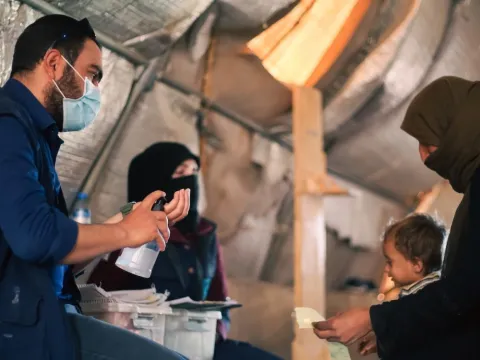
Across the EMR, CSOs are delivering tangible impact. From integrating NCD services into primary care through mobile clinics in conflict-affected settings, to sustaining access to essential medicines and supporting frontline health workers, to ensuring continuity of care for displaced and refugee populations, these organisations are filling critical gaps. Their agility, community trust, and contextual understanding enable them to operate where others cannot.
Yet this raises a fundamental question: are CSOs being adequately recognised and resourced for the role they are expected to play?
The answer remains largely no. Despite their centrality to the NCD response, CSOs continue to operate with limited, short-term funding and within increasingly constrained civic spaces. Many are forced into reactive programming, which limits their ability to plan, scale, or innovate.
This leads to a second, more urgent question: how long can CSOs sustain this level of response under mounting pressure?
The current model is not sustainable. Rising demand, shrinking resources, and increasing operational constraints are pushing many organisations to the brink. Without predictable financing and enabling policy environments, the risk is clear: reduced service coverage, diminished impact, and widening health inequities.
At the same time, structural barriers continue to limit meaningful engagement between CSOs and global health systems. Despite strong rhetoric around partnership, CSO’s still face constrained access to funding and decision-making platforms, as well as limited opportunities for long-term collaboration with WHO and multilateral actors.
Why do these barriers persist—and who is accountable for addressing them?
This is not simply an operational issue—it is a systemic one. Addressing it requires a deliberate shift in how partnerships are designed, financed, and governed.
The opportunity, however, is equally clear. Moving forward requires a shift from transactional engagement to genuine partnership. CSOs must be recognised as strategic actors and co-creators of solutions, not just implementers. This includes embedding them within national and regional health strategies, investing in their institutional capacity, and ensuring flexible, sustained financing mechanisms.
At the same time, innovation must be accelerated. Digital health solutions—including telemedicine, mobile platforms, and AI-enabled monitoring—offer pathways to maintain continuity of care in insecure settings. Strengthening data systems and surveillance through CSO engagement can also address critical evidence gaps, enabling more effective and targeted interventions.
Ultimately, the EMR stands at a critical inflection point. Political instability and conflict have exposed deep structural vulnerabilities in NCD service delivery—while simultaneously highlighting the strategic value of civil society.
The question is no longer whether CSOs are essential. The real question is: what will it take to move toward genuine, power-balanced partnership?
Call to action
Governments, WHO, and multilateral agencies must move beyond rhetoric toward a partnership model that fully leverages CSO capabilities. This means:
- Ensuring sustainable and flexible financing for CSOs
- Creating inclusive governance mechanisms that elevate CSO voices
- Embedding NCD care within emergency preparedness and response frameworks
- Strengthening collaboration across sectors to address the social determinants of health
Strengthening collaboration is not optional, it is a strategic imperative. Without fully integrating civil society into the NCD response, efforts to build resilient, equitable, and crisis-adaptive health systems in the EMR will fall short.
Dr Ibtihal Fadhil is the founder and chairperson of the Eastern Mediterranean NCD Alliance. A medical doctor with an MSc and PhD in public health, she has worked on NCD control at the government and civil society levels. As the WHO Regional Adviser on noncommunicable diseases, Dr. Fadhil has worked with most of the regional CSOs for more than eight years and developed the core regional network of CSOs working against noncommunicable diseases. She has worked jointly with the World Health Organization and other regional partners to prioritise cancer prevention and control and build the capacity of regional CSOs to improve cancer prevention and treatment, including in humanitarian settings.