Continuity of care in crisis is lifesaving – not optional
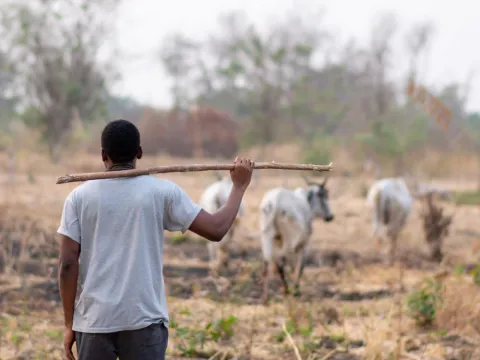
How do you keep insulin cool when temperatures are above 40C and electricity is scarce? In parts of Kenya affected by drought, displacement, and recurring emergencies, this can become a challenge overnight. Electricity is unstable, families are forced to move, and access to health facilities can suddenly become difficult. In some communities, simple clay pots have been used to help keep insulin cool when refrigeration is unavailable.
It is a practical solution to a practical problem. But it also reflects a much larger shift in humanitarian health needs across East Africa.
In my work with the Danish Red Cross and our Red Cross and Red Crescent partners, we increasingly see that many people affected by crises are also struggling with noncommunicable diseases (NCDs), especially cardiometabolic diseases (CMDs) such as diabetes, hypertension, and cardiovascular disease.
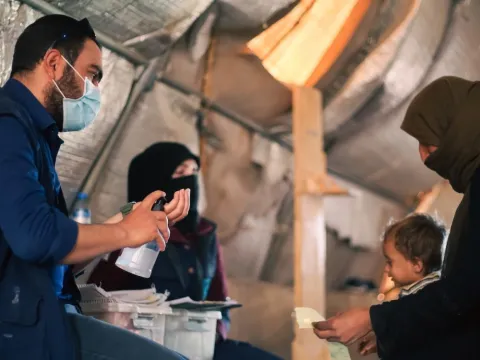
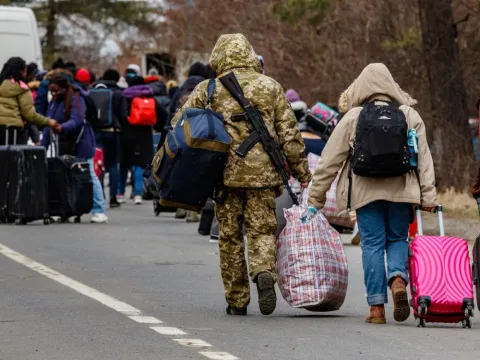
During emergencies, people living with NCDs often face multiple disruptions at the same time. Medicines become harder to access, transport routes are interrupted, health facilities may be overwhelmed, and families are forced to prioritise immediate survival needs. For someone living with diabetes or severe hypertension, even short interruptions in treatment can quickly become life-threatening.
That is why we are now expanding efforts to strengthen continuity of cardiometabolic care in crisis settings, together with the Kenya Red Cross Society, Ethiopian Red Cross Society, and Somali Red Crescent Society.
The care must continue
Through the Continuity of Cardiometabolic Diseases Care in Crisis programme (CiC II), supported by the Novo Nordisk Foundation, we are working to integrate CMD care into emergency preparedness and response, community-based services, and primary healthcare systems in crisis-affected settings across Ethiopia, Kenya, and Somalia. The programme builds on a simple recognition: when treatment is interrupted, NCDs can rapidly become an acute emergency on top of the crisis that is already taking place. A crisis within the crisis.
Continuity of care cannot be viewed as an additional health activity introduced after the emergency phase has passed. It must be integrated into preparedness, response, and recovery efforts from the beginning.
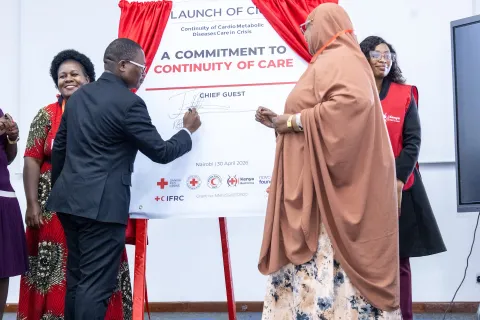
At the launch of the new programme phase in Nairobi in April, partners from across the Red Cross and Red Crescent Movement, health authorities, and humanitarian organisations gathered around a symbolic signing of a joint commitment to continuity of care in crisis settings.
For me, the moment reflected an important shift: growing recognition that humanitarian health response must evolve alongside changing disease patterns and that continuity of cardiometabolic care must become part of integrated emergency and health systems responses.
The Red Cross and Red Crescent Movement is uniquely placed to support this effort because National Societies are present in communities before, during, and after crises. This continuity allows us to bridge emergency response and longer-term health support in ways that are practical, local, and sustainable.
NCDs do not wait for crises to pass. A person living with diabetes still needs insulin during displacement. Someone with severe hypertension still requires treatment during floods or drought. Without continuity of care, these can quickly become life-threatening during crises.
CMD care must become a standard component of humanitarian response — not an afterthought. The time to integrate NCDs and CMDs into emergency health frameworks is now.
Sylvia Khamati Anekha has over 20 years of experience in planning and management of public health programmes. Currently she is Senior NCD Programme Advisor at the Danish Red Cross. Before that she was the head of health and social service at the Kenya Red Cross Society, charged with providing overall technical oversight and supporting the organisation in public health, gender, and diversity and nutrition.
Before joining the Kenya Red Cross Society, she worked with the International Federation of the Red Cross/Red Crescent in Nairobi as a senior programme officer, where she provided technical support to 14 countries in East Africa, Horn of Africa, and Indian Ocean Islands in humanitarian and developmental work.