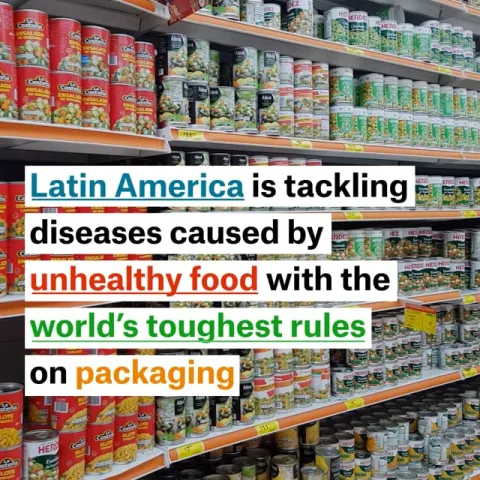
Fix food systems, save lives
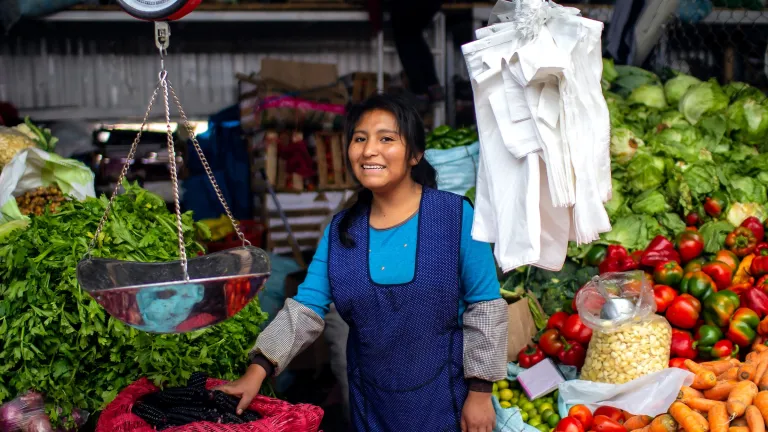
A healthy diet is a right – not a privilege – but in low- and middle-income countries (LMICs) two out of three people are unable to afford one. This is driving a worldwide surge in diet-related noncommunicable diseases (NCDs), such as type 2 diabetes, cardiovascular diseases and stroke, hypertension, and some cancers.
Across many countries, traditional diets built around fresh foods, legumes and whole grains are being displaced by ultra-processed products that are high in sugar, salt and unhealthy fats, but low in the nutrients people need to stay healthy. This is not a personal failing – it’s a political choice, and the consequence of multiple broken and unequal systems (food, economic, social, environmental, urban and others) that fail to make healthy options available, affordable and attractive.
A person’s ability to eat a healthy diet is often not within their control – it is influenced by income as well as the food environment where they live, early life nutrition, and accessibility of healthy foods. Ultra-processed foods have a long shelf life and often a low cost, making them appealing to both supermarkets and consumers. Aggressive marketing by the ultra-processed food industry – especially towards children – makes it even more challenging to access a healthy diet. Supportive environments and communities are fundamental in shaping people’s dietary habits and preferences, and policymakers have a key role to play in creating such environments.
Food systems driving a triple burden of malnutrition
Unhealthy diets do not lead to just one health problem. They contribute to three interconnected forms of malnutrition: undernutrition, overweight and obesity, and diet-related NCDs. Unhealthy diets and their resulting malnutrition are often estimated to cause over seven million deaths annually, with 99% of these deaths linked to NCDs, but some have estimated this number to go up to 12 million deaths per year when considering deaths associated with diet- and weight-related risks, such as obesity. Addressing all forms of malnutrition requires healthier and more sustainable food systems that make nutritious foods available, affordable and appealing for everyone.
Policies to make the healthy choice into the easy choice
Healthy diets are shaped by food systems, and food systems are shaped by policy. Governments are currently off-track to meeting global diet-related NCD targets and urgently need to prioritise and invest in healthy diets for all to achieve long-term health and resilience. The policies that shape our food systems must promote health and prevent NCDs, in addition to increasing food security and reducing malnutrition in all its forms. These should be implemented as a comprehensive and coherent package including fiscal policies, marketing restrictions, front-of-pack nutrition labelling, healthy school meal policies, and measures to protect and promote optimal breastfeeding practices.
Among these policies are the WHO NCD ‘best buys’ and other recommended interventions for healthy diets:
- Reformulation policies for healthier food and beverage products (for example, elimination of trans-fatty acids [TFA] and/or reduction of saturated fats, free sugars and/or sodium)
- Front-of-pack labelling as part of comprehensive nutrition labelling policies for facilitating consumers’ understanding and choice of food for healthy diets
- Public food procurement and service policies for healthy diets (for example, to reduce the intake of free sugars, sodium and unhealthy fats, and to increase the consumption of legumes, wholegrains, fruits and vegetables)
- Behaviour change communication and mass media campaigns for healthy diets
- Policies to protect children from the harmful impact of food marketing on diet
- Protection, promotion and support of optimal breastfeeding practices
- Taxation on sugar-sweetened beverages as part of fiscal policies for healthy diets
Civil society organisations (CSOs) have a vital role to play in accelerating progress towards healthier and more sustainable food systems. By advocating for evidence-based policies, holding decision-makers accountable, and ensuring that food system transformation is transparent and free from undue industry influence, CSOs can help create a future where healthy diets are not a privilege for some, but a reality for all.
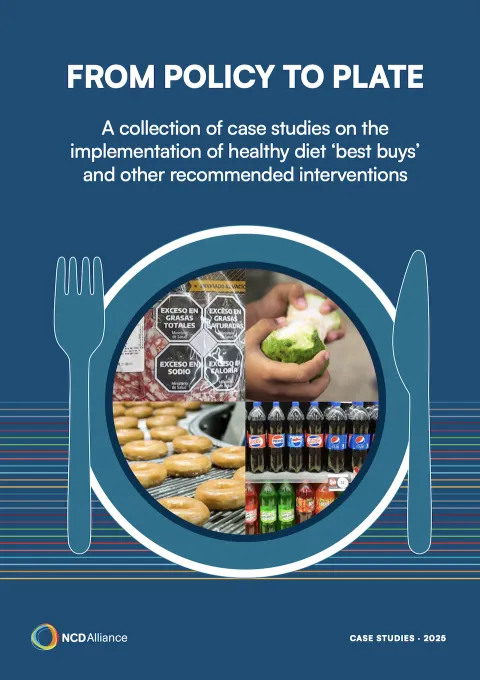
For more information, see our resources:
This video was made possible through the support of Novo Nordisk Foundation.