HUB PAGE

Road to the 2026 HLM on HIV and AIDS

Our hub for updates, resources and advocacy towards the 2026 UN High-Level Meeting on HIV and AIDS taking place on 22–23 June 2026. 

adovcate giving statement at HIV multistakehodler hearing

Spotlight

Multi-Stakeholder Hearing for the 2026 High-Level Meeting on HIV and AIDS

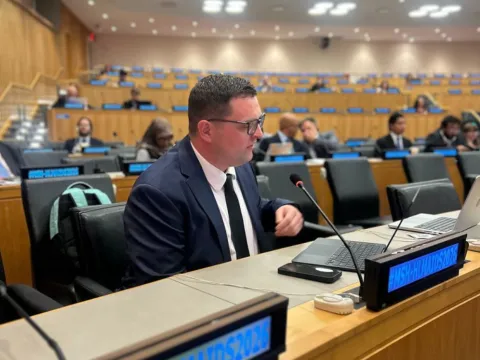
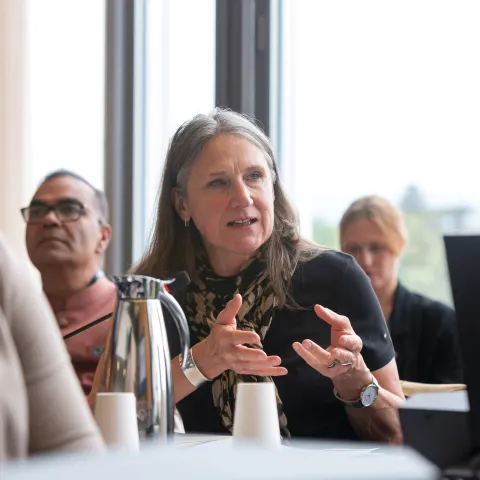
The Interactive Multi-Stakeholder hearing for the High-Level Meeting (HLM) on HIV and AIDS took place on 14 May 2026 with representatives from NCD Alliance on the ground.

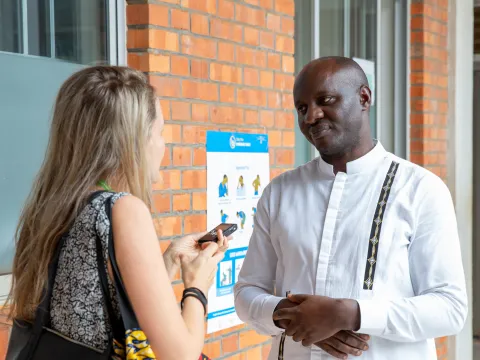
Advocate Daniel Koch delivered a statement on behalf of the NCD Alliance. 

"HIV, noncommunicable diseases, and mental health conditions are interlinked, and we cannot end AIDS or realise the right to health for all without addressing these issues together," said Daniel.
Read the full statement
 

“The HIV and NCD communities have been collaborating for over a decade on shared priorities, primarily around integrated care. Now, in an era of shrinking funding and a shifting global health architecture, our solidarity is more important than ever.”
Alison Cox, Director of Policy and Advocacy, NCD Alliance

Act Now: Our Priority Asks and Resources


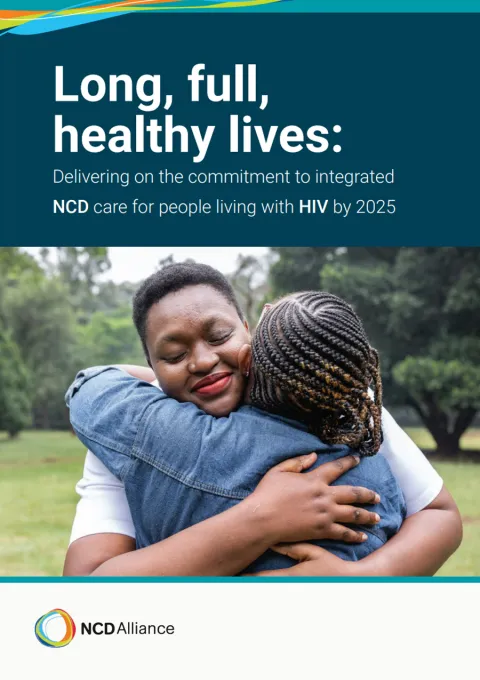
HIV, NCDs and mental health conditions are deeply interconnected. People living with HIV often face higher risks of NCDs and mental health challenges, which can affect treatment, retention in care and quality of life.

For the 2026 Political Declaration, Member States should commit to integrated, people-centred responses that protect rights, strengthen primary health care and ensure sustainable financing.
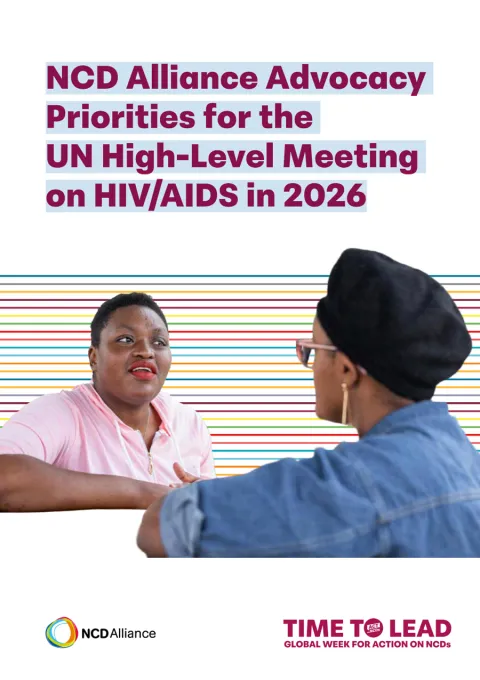
Advocacy Priorities for the 2026 HLM on HIV and AIDS

  • 1. One reality, one response: Recognise the links between HIV, NCDs and mental health, and respond to them together.
  • 2. Protect the 90% integrated care commitment: Reaffirm and strengthen the commitment that 90% of people living with HIV have access to prevention, screening and treatment for NCDs and mental health conditions.
  • 3. Strengthen primary health care: Prioritise integrated services through resilient, person-centred primary health care systems.
  • 4. Put rights and lived experience at the centre: Ensure integration protects human rights, reduces stigma and involves people living wtih HIV, NCDs and mental health conditions in decisions.
  • 5. Turn commitments into national plans and budgets: Translate global targets into funded national health plans with clear accountability measures.
  • 6. Reform systems to enable integration: Align global health architecture, guidance and technical support to make integrated care practical and sustainable.
  • 7. Finance integrated, people-centred care: Invest in integrated service delivery, support domestic resource mobilisation and avoid incentives that fragment care.


HIV-related News and Blogs from NCDA
Financing must match NCD and mental health commitments
NCDs define today’s burden. Global health must respond.
Global health reform cannot succeed without NCDs and civil society, leaders warn ahead of WHA79
SPARK–NCD launch in Zanzibar highlights momentum for integrated HIV-NCD care in Africa
View all
Combining care to save lives

Lived experience

Combining care to save lives

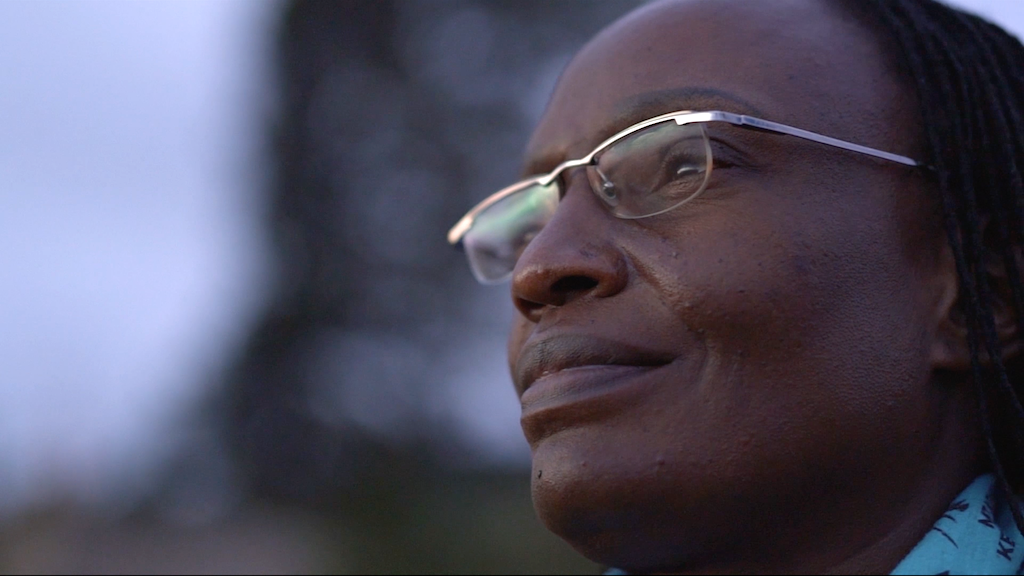
After losing two children soon after birth, Sally was diagnosed with AIDS, then cervical cancer. At the Rangi Tatu clinic in Tanzania, vital connections are being made between HIV and NCDs – see why this matters to patients like her.


HIV-NCD Resources
Options de partage: