Cardiovascular disease 

Cardiovascular disease (CVD) is the leading cause of death globally for both men and women, with many of those deaths occurring before the age of 70 – especially in low- and middle-income countries (LMICs). It is also one of the most preventable NCDs.

Key facts

CVD is hitting LMICS hardest

High-income countries have managed to lower CVD mortality rates in the past decades, but low- and middle income countries (LMICs) are seeing the opposite, with a rising number of deaths - including those before age 70. Many of these countries are not equipped for CVD prevention, early detection or treatment.

Women face inequity in CVD care

CVD is often considered ‘a man’s disease’, despite being the leading cause of death in both men and women. Due in part to this bias, women are more likely to be misdiagnosed, diagnosed at an advanced stage, and undertreated.

CVD is inseparable from planetary health

Air pollution is a leading cause of CVD, and the climate crisis is driving unsustainable food systems and limiting possibilities for physical activity. To reduce the CVD burden, we must make planetary health a priority.

What is CVD? 

Our hearts are powerhouses that never stop working – they are pumping blood loaded with oxygen and nutrients throughout our body day and night. Caring for our cardiovascular system – the heart, veins and blood vessels – is essential for health. Yet CVD is the leading cause of death globally. It accounts for about half of all NCD deaths, often claiming lives 'prematurely', or before the age of 70. 

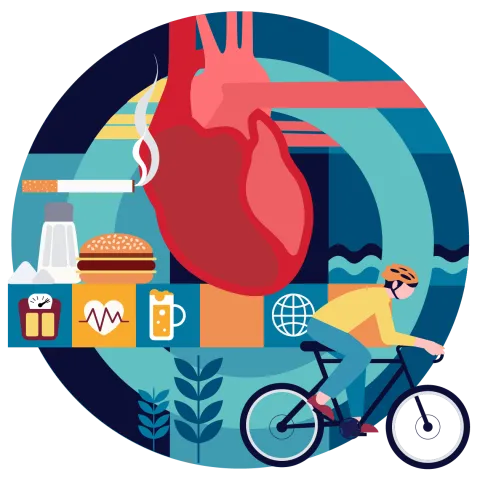
However, CVD is also among the most preventable causes of death. There is substantial evidence that about 80% of CVD deaths are caused by the main NCD risk factors - tobacco, alcohol, air pollution, unhealthy diets, and physical inactivity. Governments have many tried-and-trusted policies that can protect people from these risk factors. It is time to put them into action to save lives.

Common cardiovascular diseases
Cardiovascular diseases are a group of disorders that affect the heart, veins and arteries. They include those described below. Heart attacks and strokes cause 85% of CVD deaths.

Fatty buildup in the heart arteries prevents blood from reaching the heart, causing most heart attacks and other symptoms.

A group of diseases including stroke which prevent blood from reaching the brain.

Fatty buildup causes narrowing of arteries in the arms or legs, limiting blood flow.

A preventable, life-threatening condition where the heart valves are permanently damaged by rheumatic fever.

A defect in the structure of the heart or main blood vessels that is present at birth.

Blood clots in the leg veins, which can dislodge and move to the heart and lungs.

Why is it urgent to act on CVD?
Besides being the leading cause of death, CVD is closely linked with global development priorities, including those highlighted below.

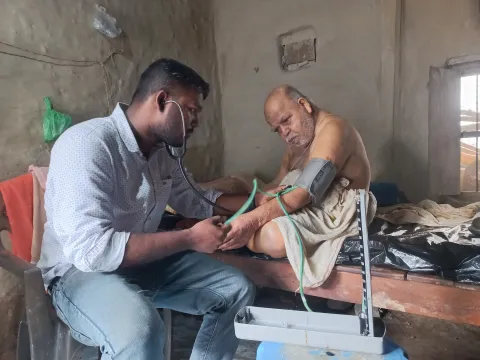
CVD occurs at a higher rate in LMICs than in their high-income counterparts, and with a much higher mortality rate. This is mainly because people living in LMICs often do not have access to primary health care programmes for prevention, early detection and treatment of risk factors like hypertension. For many people in these countries, detection is late, and treatment by that point is unavailable or inaccessible. The poorest people in all countries and communities are most affected.


CVD is the leading cause of death in women worldwide, taking the lives of one in three women – more than all cancers combined. Yet, CVD in women continues to be seriously understudied, under-recognised, under-diagnosed and under-treated. This is primarily the result of various misconceptions and a lack of awareness among both patients and doctors. Women are also underrepresented in CVD clinical trials and among CVD health professionals.

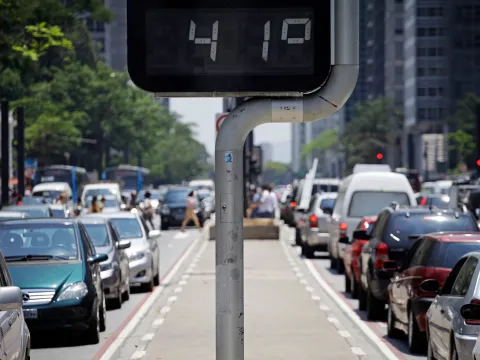
CVD, its risk factors and the climate crisis are inextricably linked. Higher temperatures increase the risk of CVD and cause extreme weather events which disrupt the supply of wholesome foods, and make it more difficult to go outdoors for physical activity. Air pollution drives up cases of CVD as well as temperatures. Tobacco production pollutes land and water ecosystems, with devastating effects on planetary health. This downward spiral of poor human and planetary health can only be stopped through integrated approaches.

NCD Diaries
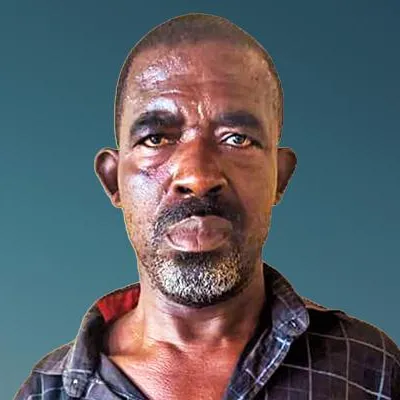
"Many people living with NCDs in Cameroon lack access to health services and as a result are not diagnosed. When they do access health services and receive a diagnosis, there is no proper follow-up to support the treatment and management of their condition. Many others do not even have an idea of what NCDs are, nor of their signs and symptoms or how to prevent NCDs."
Aaron Nfortentem, lived experience of diabetes, hypertension and cerebrovascular accident, Cameroon
Discover Aaron's story

Turning the Tide

Living with rheumatic heart disease in Mozambique

For many people in high-income countries, it may be hard to imagine dying from an illness that can be easily treated with antibiotics like penicillin. But that is the case for about 350,000 people – mostly women and children – who die from rheumatic heart disease (RHD) each year. 95% of these deaths are in LMICs, and they are most often in low-income communities. The small percentage of RHD cases that occur in high-income countries occur almost exclusively among marginalized communities, including indigenous populations. 

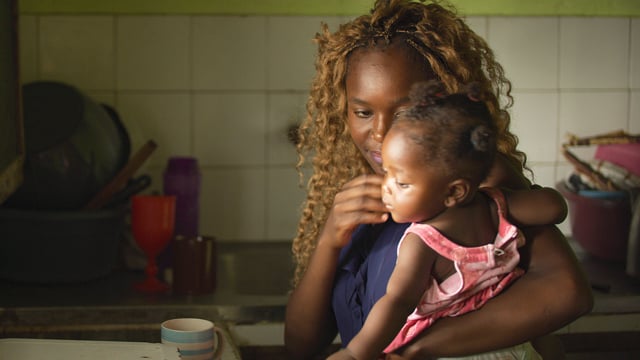
Person living with rheumatic heart disease holds her baby in her house's kitchen in Mozambique.

RHD is a CVD resulting from damage to heart valves caused by rheumatic fever, which itself is a reaction to strep throat. RHD is preventable through treatment with penicillin. But many families with limited resources may not be able to go to the health clinic, and penicillin is highly prone to shortages in LMICs. 

55 million people are currently living with RHD, but most of them will not live to age 40. It’s too late for them, but improving access to essential medicines like penicillin can save others from preventable disability and death from RHD.

Discover the Turning the Tide series

Solutions to address the CVD burden
80% of CVD deaths can be prevented. Among those which cannot, their impact can be reduced. But governments need to implement NCD prevention policies and invest in cost-effective treatment interventions.

NCD Countdown 2030 has shown that countries can still achieve SDG 3.4 with a framework for NCD investment that is centred around 21 key interventions that are feasible for implementation in all countries. The reduction in NCD mortality would be greatest for CVD, with seven interventions focused specifically on this disease group.

Governments and policymakers are responsible for ensuring people have access to the tools they need to live a healthy life, including health literacy, affordable nutritious food, and well-planned urban spaces that encourage an active lifestyle. This takes multi-sectoral, all-of-society collaboration – everyone needs to be on board to create a healthier future.

People in LMICs face many barriers to accessing adequate care for CVD. Health systems are often not equipped for CVD treatment, and face a shortage in skilled health workers. The digital divide limits self-monitoring and care, and there is low awareness of CVD and its risk factors. Getting CVD under control will not be possible without closing these and other gaps first.

Opciones para compartir: