Teaser text + image with 'full' background
cardiovascular disease icon

Smoking cigarettes can severely damage your heart and blood vessels. It causes one in four deaths from cardiovascular diseases like heart disease and stroke.

Learn more
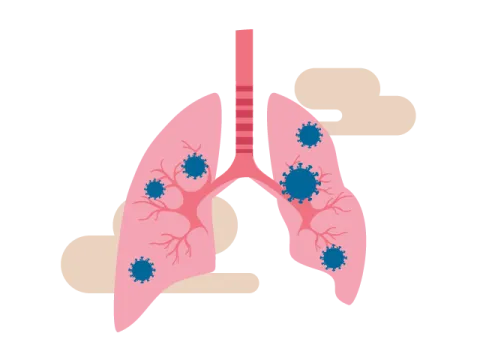
lung infections illustration

Tobacco, along with air pollution, is one of the major risk factors for lung diseases like emphysema. Cigarette smoking causes most cases of lung cancer.

Learn more
diabetes icon

People who smoke cigarettes are 30%–40% more likely to develop type 2 diabetes than people who don't smoke. Smoking also makes it more difficult to manage diabetes.

Learn more
Teaser text + image with 'card only' background

When available at all, dialysis and transplants in LMICs often incur catastrophic out-of-pocket payments for the people who need them. Those who go untreated because they are unable to afford care are eventually disabled by the disease, deepening household poverty.

The cost of treating CKD represents an enormous burden on healthcare systems worldwide. For instance, in England, CKD costs more than breast, lung, colon and skin cancer combined. Many LMICs are not able to invest in adequate CKD treatment to meet population needs.


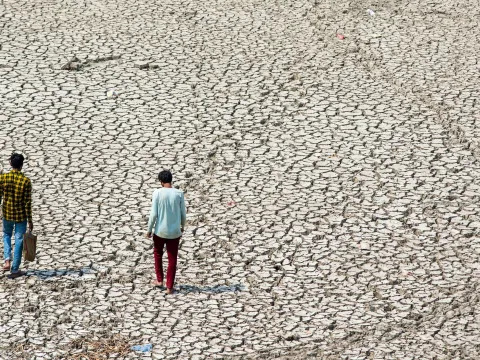
As with other NCDs, strong links are being revealed between CKD and environmental factors resulting from the climate crisis, such as excessive heat. There is also emerging evidence linking salination of freshwater supplies with hypertension and CKD.  

Teaser text with 'card only' background

When prevention is not possible, early diagnosis is the next best way to reduce the CKD burden on families and health systems. Blood sugar and blood pressure should be part of regular checkups, with kidney function checked in case of warning signs.

Treatment for advanced CKD is costly, but dialysis or transplant is sometimes the only option to save a person from disability or death. Governments must invest adequately in their health systems, and NCDs must be recognised as a global health priority requiring funding.

Industries like tobacco, alcohol and junk food all try to limit perceptions about their products being unhealthy. Restrictions on marketing as well as policies to improve health literacy, like front-of-package warning labels, can help people make informed choices.

Teaser text with 'full' background

When prevention is not possible, early diagnosis is the next best way to reduce the CKD burden on families and health systems. Blood sugar and blood pressure should be part of regular checkups, with kidney function checked in case of warning signs.

Treatment for advanced CKD is costly, but dialysis or transplant is sometimes the only option to save a person from disability or death. Governments must invest adequately in their health systems, and NCDs must be recognised as a global health priority requiring funding.

Industries like tobacco, alcohol and junk food all try to limit perceptions about their products being unhealthy. Restrictions on marketing as well as policies to improve health literacy, like front-of-package warning labels, can help people make informed choices.

Opciones para compartir: