
Endorse the Global Charter on Meaningful Involvement of People living with NCDs

Unlocking the value of lived experience in policy, programmes and decision-making
The Global Charter on Meaningful Involvement of People Living with NCDs calls on governments, international institutions, civil society organisations, research and academic institutions, philanthropic organisations and the private sector to put people at the centre of the NCD response and leave no one behind.
It is founded on a simple principle: people living with noncommunicable diseases—including care partners—must be meaningfully involved in the decisions that affect their lives.
"My voice has to be counted: I don’t want others to think of solutions that address my challenges without my involvement."
What is the Global Charter?
The ‘Global Charter on Meaningful Involvement of People Living with NCDs’, is based on the principle that people living with noncommunicable diseases (NCDs) – including care partners (also known as carers or care givers) – should be meaningfully involved in every step of decision-making that affects their lives.
The aim of the Global Charter is to have meaningful involvement of people living with NCDs embedded into organisational practices and mobilises all actors such as governments, international partners, private sector and civil society organisations.
The Global Charter calls on organisations and institutions to publicly endorse the Charter – and commit to fundamental principles and ten core strategies. These strategies will enable the meaningful involvement of people living with NCDs in decision-making at all levels - from the first stages of design, implementation to monitoring and evaluation and scale-up of NCD policies, programmes and services.
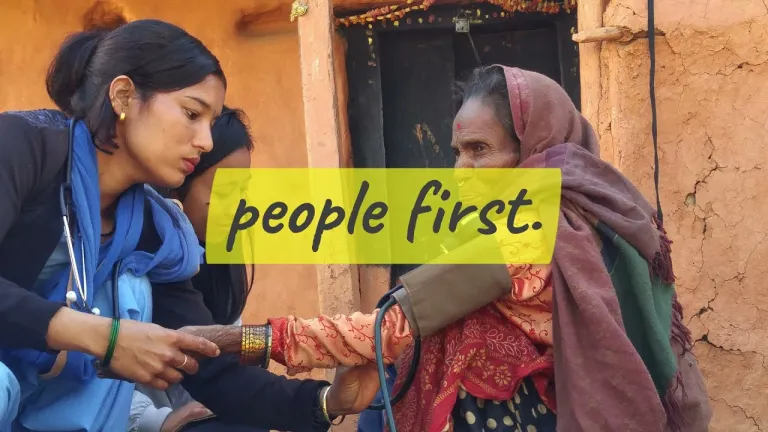
What is Meaningful Involvement?
Meaningful involvement is when organisations or institutions recognise the value of the lived experience and of the community. It ensures that people living with NCDs are actively involved in all aspects of the NCD response that affect them, including governance, policies, programmes, and services.
It requires an enabling environment to leverage this value and put people living with NCDs and communities at the centre to access their knowledge, skills, and expertise. It avoids tokenism by building a reciprocal relationship between organisations or institutions and people living with NCDs, as equal decision-making partners, whereby power is redistributed and shared, contributions are valued, and people living with NCDs also benefit from the experience of being involved.
Endorse the Global Charter
Join us in making the meaningful involvement of people living with NCDs a reality.
By endorsing the Global Charter, your organisation publicly commits to meaningfully involving people living with NCDs and to putting the Charter’s principles and strategies into practice.
Your organisation’s name and logo will be published on the Global Charter Wall of Endorsers.

What does endorsement mean?
Endorsing organisations commit to:
- Recognising people living with NCDs as equal partners in decisions that affect them
- Realising the Charter’s five fundamental principles
- Pursuing and implementing its ten core strategies
- Embedding meaningful involvement within organisational policies, governance, programmes and practices
- Supporting a people-centred, rights-based and equitable response to NCDs
- Encouraging other organisations and institutions to make the same commitment.