12 October 2022
NCD awareness: Challenges and lessons learned
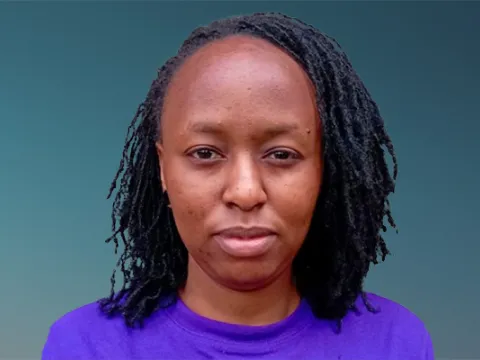
In late 2021, my cousin Elizabeth was diagnosed with advanced stage cervical cancer. This came as a big shock to our family and took us time to come to terms with. Since her diagnosis, I’ve been her primary caregiver. I coordinate hospital appointments, follow up on health insurance approvals for accessing chemotherapy and use simplified language to educate her on her condition.
I became Elizabeth’s caregiver due to the unsupportive environment she faces at home, including a spouse who has never accompanied her to hospital or shown serious concern about her health. I have had to make sure that she has access to necessary information as she had very little knowledge about cervical cancer. Since I don’t have a health background, I’ve consulted friends working as healthcare providers, read articles online and joined NCD groups. I have also accompanied her to medical appointments and asked doctors about her prognosis, passing this information to her using the simplest terms possible.
In our communities, there are limited awareness campaigns on chronic diseases, although many people are taught through formal schooling. Elizabeth and others with little or no formal education have limited access to this knowledge. She had persistent pain and vaginal bleeding for a long time without getting a checkup. She felt uncomfortable sharing this information with others, including her family, because of fear of what would be said. After some time, she spoke to an external family member, but closed up after realizing this information had been shared with her daughter.
At some point, the pain compelled her to visit a local facility, where she was issued a referral note to a more specialized facility for further investigations. However, she didn't honor the referral on time because of the social stigma related to reproductive health complications, and she was worried about what people would say concerning her 'strange' condition. It took the intervention of another family member to get her to a referral hospital where she was tested and diagnosed with cervical cancer, which was advanced. Her plight represents that of many in Kenya.
There is limited awareness on NCDs and prevention in local communities. This, coupled with social stigma, affects early detection and care enrolment. During my caregiving, I have faced a recurrent challenge of acquiring, simplifying and passing information to Elizabeth regarding her condition. With the advanced stage, I also must confront helping her manage treatment expectations alongside adhering to the prescribed palliative treatment plan.