Advancing Access - Webinar Recording

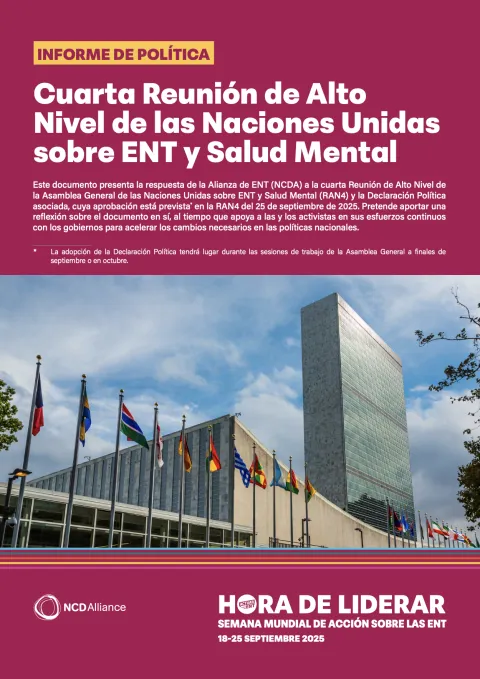
The Political Declaration adopted following last year’s fourth High-Level Meeting on NCDs and Mental Health (HLM4) has renewed global attention to access to essential NCD medicines and technologies. It sets a global target of ensuring that ‘at least 80% of primary health care facilities in all countries have availability of WHO-recommended essential medicines and basic technologies for noncommunicable diseases and mental health conditions, at affordable prices, by 2030’. At the same time, Member States recommitted to strengthening financial protection, setting a global target for ‘at least 60% of countries to have mechanisms in place by 2030 to cover essential NCD and mental health services and health products’.
The NCD Alliance and the University of Geneva have developed two complementary resources to help translate these commitments into action:
- Advancing Access: Global priorities to improve access to NCD medicines, diagnostics and medical devices – a policy brief outlining the priority actions needed to close access gaps.
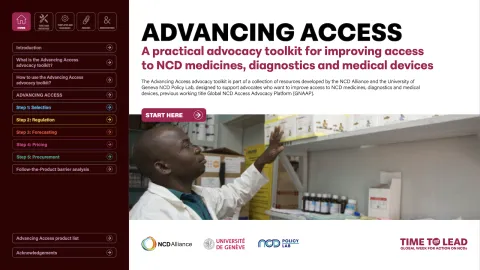
- Advancing Access: A practical advocacy toolkit for improving access to NCD medicines, diagnostics and medical devices – a practical guide that helps advocates turn these priorities into country-level action and hold governments accountable for delivering on their commitments. The toolkit guides users through five steps of the pharmaceutical value chain, helping advocates develop a more comprehensive understanding of why people in their countries are unable to access essential NCD medicines and medical devices. It also supports them in formulating stronger, evidence-informed advocacy asks directed at ministries of health, ministries of finance and other relevant bodies.
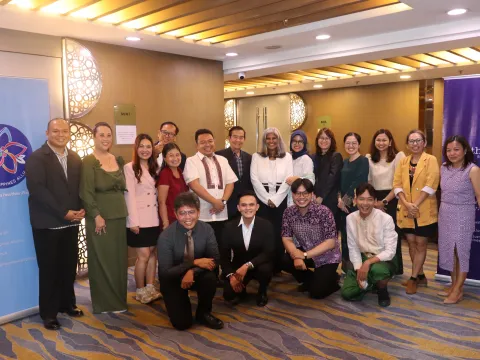
NCDA officially launched these resources at a webinar held on 10 November. Participants heard from different stakeholders as they shared case studies on advocacy around access to essential NCD medicines and devices, and brainstormed practical actions that can make a difference in the lives of people living with NCDs.
The recording is now available.