
Noncommunicable Diseases (NCDs)

What are NCDs back to basics video thumbnail

Back to basics

What are NCDs?

Noncommunicable diseases (NCDs) are the leading cause of death and disability in the world. 

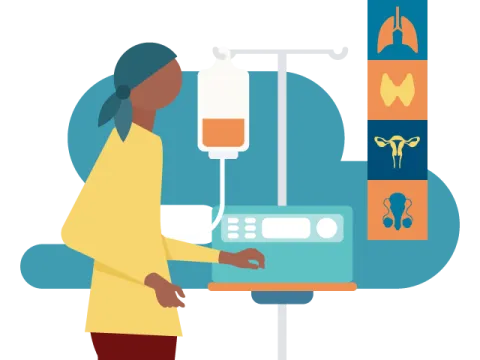
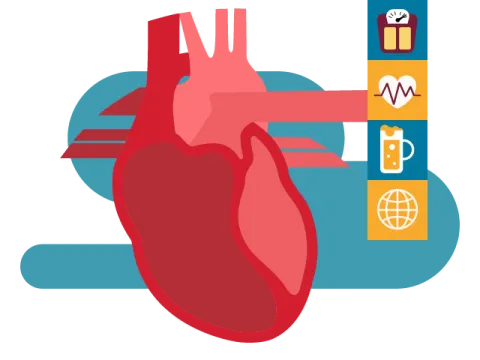
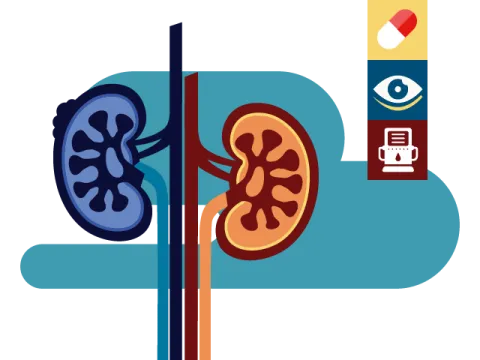
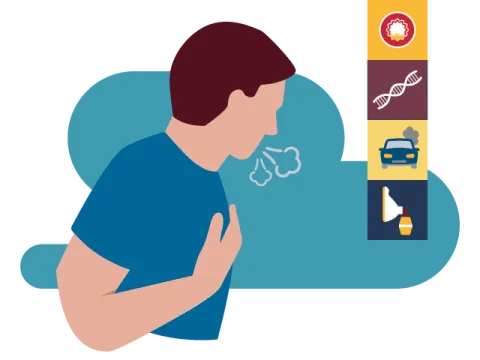
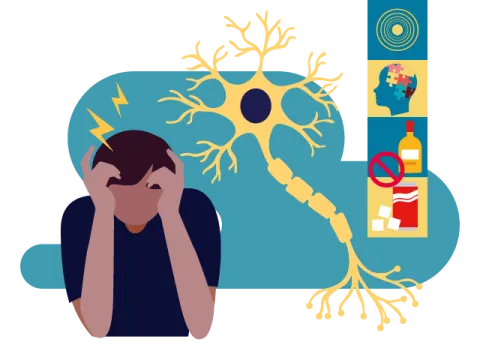
They include a wide and diverse range of conditions—from heart disease and diabetes to mental health, neurological, musculoskeletal, kidney and liver diseases, oral and eye health, genetic disorders, and many more.

NCDs are largely driven by the same small group of risk factors, they are all chronic in nature requiring long-term or lifelong care, and they are all deeply intertwined with the most urgent global development priorities, like poverty, inequity and inequality, and the climate crisis. 

Despite their widespread prevalence and the devastating human and economic toll that they take, NCDs are not given the urgent attention they deserve.

A global burden
NCDs take a human toll that is unacceptable, increasing, and inequitable.

The most commonly recognised NCDs include heart disease, cancer, diabetes, chronic respiratory diseases, and mental health conditions. But the true burden of NCDs goes well beyond these five. They also include kidney and liver diseases, musculoskeletal conditions, neurological disorders, oral and eye diseases, hearing loss, genetic conditions, injuries, and disabilities—among others.

These conditions all have a major impact on people’s daily lives. They often share similar risk factors—like unhealthy diets, tobacco use, or pollution—and can benefit from many of the same solutions. That’s why the NCD response must be comprehensive and inclusive. It needs to reflect the full scope of real-life challenges people face. Everyone deserves access to care, and every condition that affects people’s health and well-being deserves attention.

NCDs – diverse but with common solutions
The following pages and videos highlight some of the most prevalent NCDs. While not exhaustive, they underscore the urgent need for integrated action to address all NCDs.
Oral Health
video cover young girl getting teeth checked
Tackling oral disease in Thailand through Universal Health Coverage
1 minute 13 seconds
Stroke
Raising heroes at home: stroke detection
5 minutes 52 seconds
Eye Health
Setting sights on better eye health
4 minutes 16 seconds
Psoriasis
Psoriasis: More than skin deep
5 minutes 3 seconds
More than a health issue
NCDs are closely related to many urgent global challenges such as growing socio-economic disparities, the climate crisis or war. Action on NCDs must be a cornerstone of any integrated approach to sustainable development and achieving human and planetary health.

NCDs are both a cause and a consequence of poverty, hitting hardest in low- and middle-income countries and among disadvantaged populations everywhere.

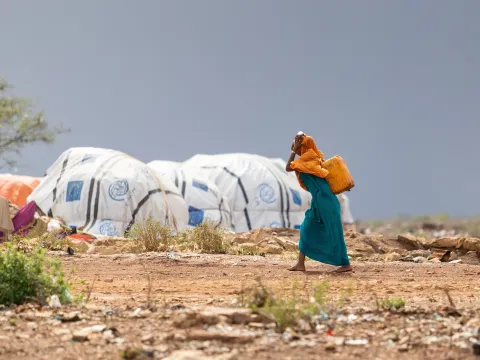
People with lower socioeconomic status often face major barriers to healthcare and prevention—especially those living in rural areas or humanitarian settings affected by conflict or displacement. Common obstacles include late or missed diagnoses, long travel distances to health facilities, and unaffordable treatment costs that can lead to catastrophic health spending.

These challenges are compounded by greater exposure to NCD risk factors like tobacco use, harmful alcohol consumption, and unhealthy diets. Together, these factors reinforce cycles of ill health and poverty, making it harder for people and countries with fewer resources to thrive—and deepening global inequality.

The world today is experiencing what many call a “polycrisis”: a web of overlapping, interconnected emergencies affecting both people and the planet.

NCDs are at the heart of this polycrisis. They worsen the impacts of pandemics, strain overstretched health systems, and are increasingly linked with co-morbidities for infectious diseases such as HIV and tuberculosis. At the same time, humanitarian emergencies and the escalating climate crisis—including air pollution and food insecurity—further drive the NCD burden.

There is growing recognition that NCDs are linked to many other global priorities, and that action on them delivers broad, cross-cutting benefits. But policy responses have yet to fully reflect these synergies, and integrated solutions remain under-implemented. That must change.

A woman in Uganda in front of computer

Global awareness of NCDs has increased in recent years, and some countries have shown strong leadership. New tools, data, and policy frameworks are now available. But overall progress remains too slow.

The world is not on track to meet the 2025 or 2030 NCD targets. The number of people living with NCDs is steadily rising. By 2050, cases of diabetes and cancer are expected to double, with other conditions—such as chronic kidney disease and dementia—increasing at an even faster pace.

There is no time to waste. NCDs are largely preventable, and cost-effective solutions already exist. What we need now is bold action, strong political will, and a commitment to equity and inclusion across all levels of the response.

Opciones para compartir: