

Back to basics
What are NCDs?
Noncommunicable diseases (NCDs) are the leading cause of death and disability in the world.
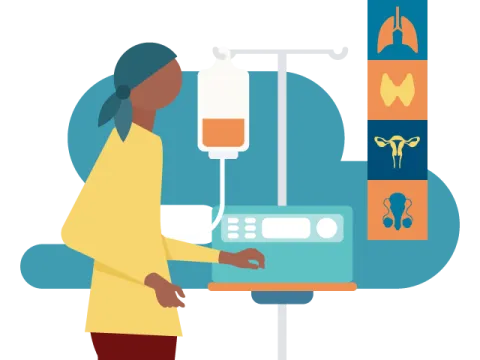
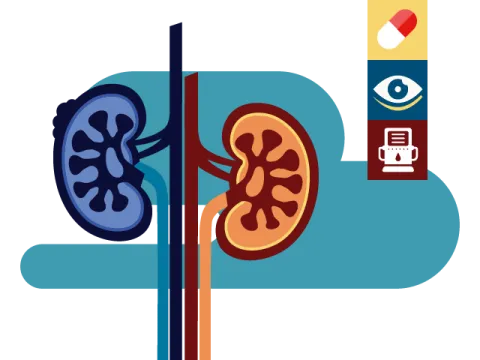
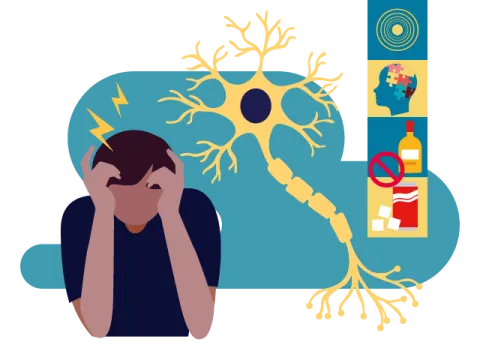
They include a wide and diverse range of conditions—from heart disease and diabetes to mental health, neurological, musculoskeletal, kidney and liver diseases, oral and eye health, genetic disorders, and many more.
NCDs are largely driven by the same small group of risk factors, they are all chronic in nature requiring long-term or lifelong care, and they are all deeply intertwined with the most urgent global development priorities, like poverty, inequity and inequality, and the climate crisis.
Despite their widespread prevalence and the devastating human and economic toll that they take, NCDs are not given the urgent attention they deserve.
The most commonly recognised NCDs include heart disease, cancer, diabetes, chronic respiratory diseases, and mental health conditions. But the true burden of NCDs goes well beyond these five. They also include kidney and liver diseases, musculoskeletal conditions, neurological disorders, oral and eye diseases, hearing loss, genetic conditions, injuries, and disabilities—among others.
These conditions all have a major impact on people’s daily lives. They often share similar risk factors—like unhealthy diets, tobacco use, or pollution—and can benefit from many of the same solutions. That’s why the NCD response must be comprehensive and inclusive. It needs to reflect the full scope of real-life challenges people face. Everyone deserves access to care, and every condition that affects people’s health and well-being deserves attention.