Diabetes

Diabetes is a noncommunicable disease that has reached pandemic levels, with deaths increasing by 70% since 2000. Over one in nine adults worldwide now live with diabetes, with projections indicating a rise to 853 million by 2045, primarily affecting low- and middle-income countries.

Key facts

Diabetes is a pandemic 

One in nine adults are living with diabetes – and rates are rising year on year. By 2050, if no action is taken, this number will rise to one in eight. 

Unequal impact 

Most people living with diabetes reside in low- and middle-income countries (LMICs) and poorer communities. Other marginalised groups are also disproportionately affected by the disease. 

Inequitable access to insulin 

A century after its discovery, half of people diagnosed with diabetes are unable to access insulin. Most of them live in LMICs.
The global burden of diabetes

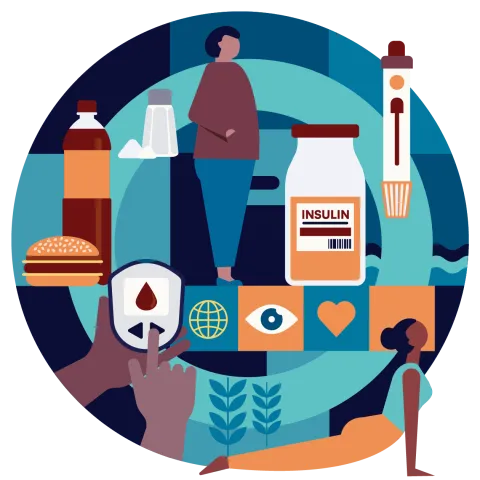
Diabetes is an NCD that has reached pandemic proportions – 589 million people live with the disease – over one in nine adults globally. More than 90% of people with diabetes have type 2 diabetes, which is largely preventable and treatable with insulin, a healthy diet and enough physical activity. Despite this, there are 3.4 million deaths attributed to diabetes, as well as widespread disability due to complications causing damage to the heart, eyes, kidneys and feet. 

The disease inflicts a crippling human and economic toll on the world, and tackling this burden depends on populations having access to healthy environments and food systems, and having access to medicines and treatment. Governments have a crucial and urgent role to play – if no action is taken, the number of people living with diabetes is expected to rise from 589 million today to 853 million by 2050, with the most dramatic increases in Africa, Southeast Asia, and the Middle East and North Africa.

The three main types of diabetes

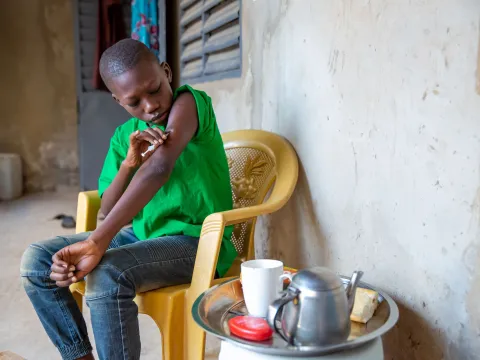
If you have type 1 diabetes, your pancreas does not make insulin or makes very little insulin. It commonly develops in children and young adults. People living with type 1 diabetes need daily insulin injections to control their blood glucose levels. Without access to insulin, they will die. 

Nearly nine million people are living with type 1 diabetes. It cannot currently be prevented, and there is no known cure.

Accounting for around 90% of all diabetes, type 2 diabetes is the most common type of diabetes. The primary indicator is insulin resistance, when the body cannot fully respond to insulin. In many cases, the condition can be prevented by avoiding key risk factors like an unhealthy diet and physical inactivity.  

As the number of people living with type 2 diabetes increases year on year, access to care is a global priority.

Gestational diabetes (GDM) is caused by high blood glucose during pregnancy that usually disappears after birth. A healthy diet, physical activity, and medication can help manage the condition, which affects nearly 17% of pregnancies. 

GDM is a risk factor for developing type 2 diabetes, and children born to mothers with GDM may be at higher risk of overweight, obesity and type 2 diabetes.

Why is it urgent to act?
The burden of diabetes is increasing at a rapid pace, and with vast inequalities in exposure to risk factors and access to care.

One in nine adults are living with diabetes. By 2045, this number is expected to increase to one in eight. Until about three decades ago, it was mainly older adults who developed type 2 diabetes. But now, due to challenges such as lack of access to a healthy diet and safe space for physical activity, the condition is increasing in children, adolescents and younger adults.

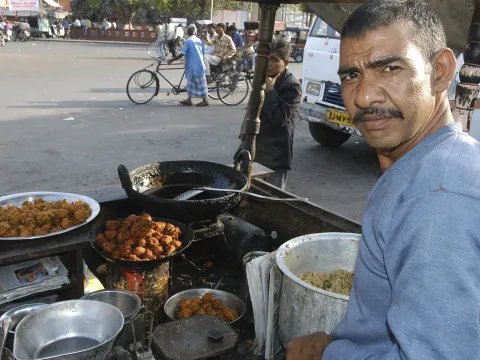
Diabetes is rising around the world, but the poorest regions are experiencing some of the most dramatic increases. This is due to different socioeconomic and environmental factors, like a lack of access to affordable, healthy food and limited opportunities for physical activity, as well as health systems being poorly equipped to manage the burden.

Most LMICs are unable to provide adequate diabetes care for their populations, and inequities are also rampant within countries. The poor and marginalised are far less likely to get an early diagnosis, or any diagnosis at all. In 2022, seven in ten people living with diabetes (72%) only found out about their condition after developing complications like vision loss, nerve damage or heart disease.

The journey of a vial video

100 years of insulin

Insulin was discovered over 100 years ago, yet half of all people who are diagnosed with diabetes are unable to access this life-saving essential medicine - especially those with limited resources. Research has shown that 63% of households in low-income countries are unable to afford insulin, compared with 2.8% of households in high-income countries.

And cost is not the only barrier; there are numerous challenges in the insulin supply chain. This makes it difficult for poorly resourced health systems to ensure a stable supply. Policymakers must urgently address insulin access barriers, including affordability, with people-centred, multi-sectoral solutions. 

Discover more about the distribution of insulin

Risk factors – inequitable exposure
Anyone can develop diabetes, regardless of who they are or where they live. But people from lower socioeconomic backgrounds, or those who are otherwise marginalised due to factors like ethnicity, sexual identity, and education level, face a higher risk.
Woman in india with boxing gloves NCD advocates

Going Full Circle: living with type 1 diabetes in India

This mini-film gives a view into life for women living with diabetes in India, and the myriad of social, emotional and economic challenges that go beyond managing blood sugar. Diagnosed with type 1 diabetes in their childhoods, Nupur Lalvani and Snehal Nandagawli dedicate their lives to supporting women living with diabetes across India through the Pune-based, patient-led Blue Circle Diabetes Foundation. The circles of care created by peer support groups play a crucial role in educating communities, advocating for insulin for all and providing practical and emotional support. Nupur and Snehal show us how their circle helps to ensure access and empower women, especially in underserved areas.

Read Nupur's diary 

Read Snehal's diary 

Solutions to reduce the diabetes burden
Getting a grip on the diabetes pandemic requires bold action in NCD prevention, and innovative approaches to reach communities for screenings and early diagnosis. And crucially, access to insulin and supplies must be guaranteed.

Health-enabling environments are at the heart of diabetes control. Governments should implement comprehensive policies to support healthy communities by ensuring clean transportation, access to nutritious food, and space for physical activity. Fiscal policies for health, marketing restrictions on health-harming products, and public awareness campaigns also play an important role. 

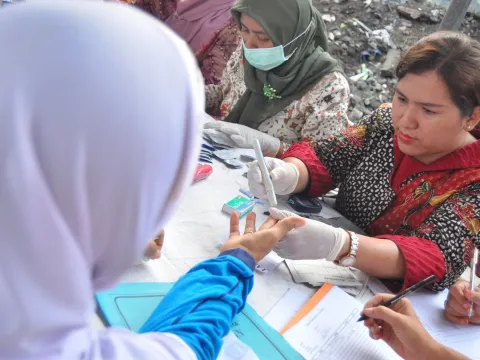
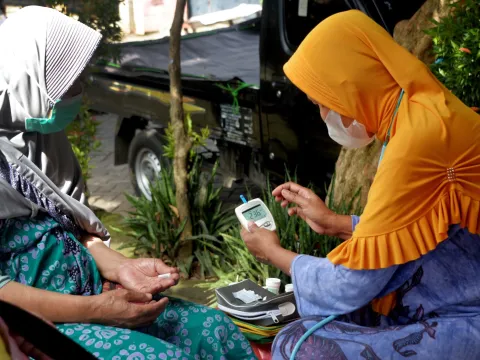
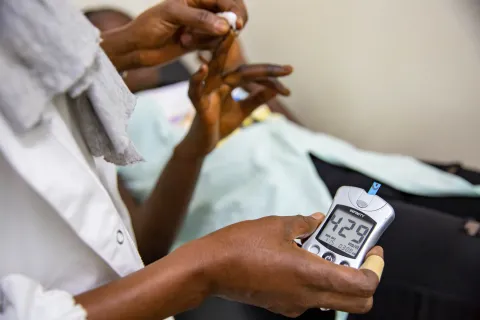
Early diagnosis is key for those living with diabetes to live better. Easy access to basic diagnostics, such as blood glucose testing, should be available in primary health care settings, but more innovative solutions may need to be put into action to reach some marginalised communities. 

All people who need insulin to manage diabetes must be guaranteed access to this essential medicine, as well as supplies like test strips and glucose meters. This means addressing health system barriers like affordability and availability. Insulin in LMICs is frequently unavailable due to limited supplies or unaffordable, putting the lives and well-being of millions of people at risk.

  • International Diabetes Federation Diabetes Atlas
Share options: