Unhealthy Diets 

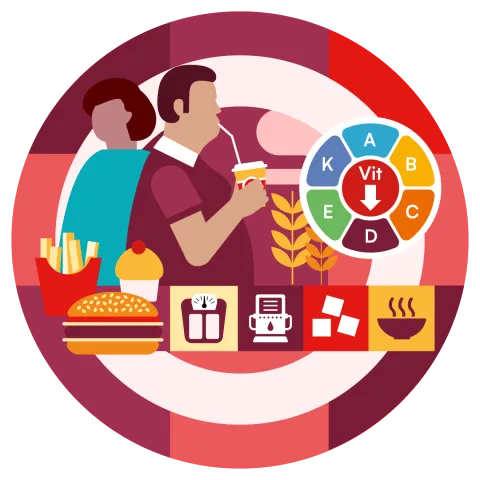
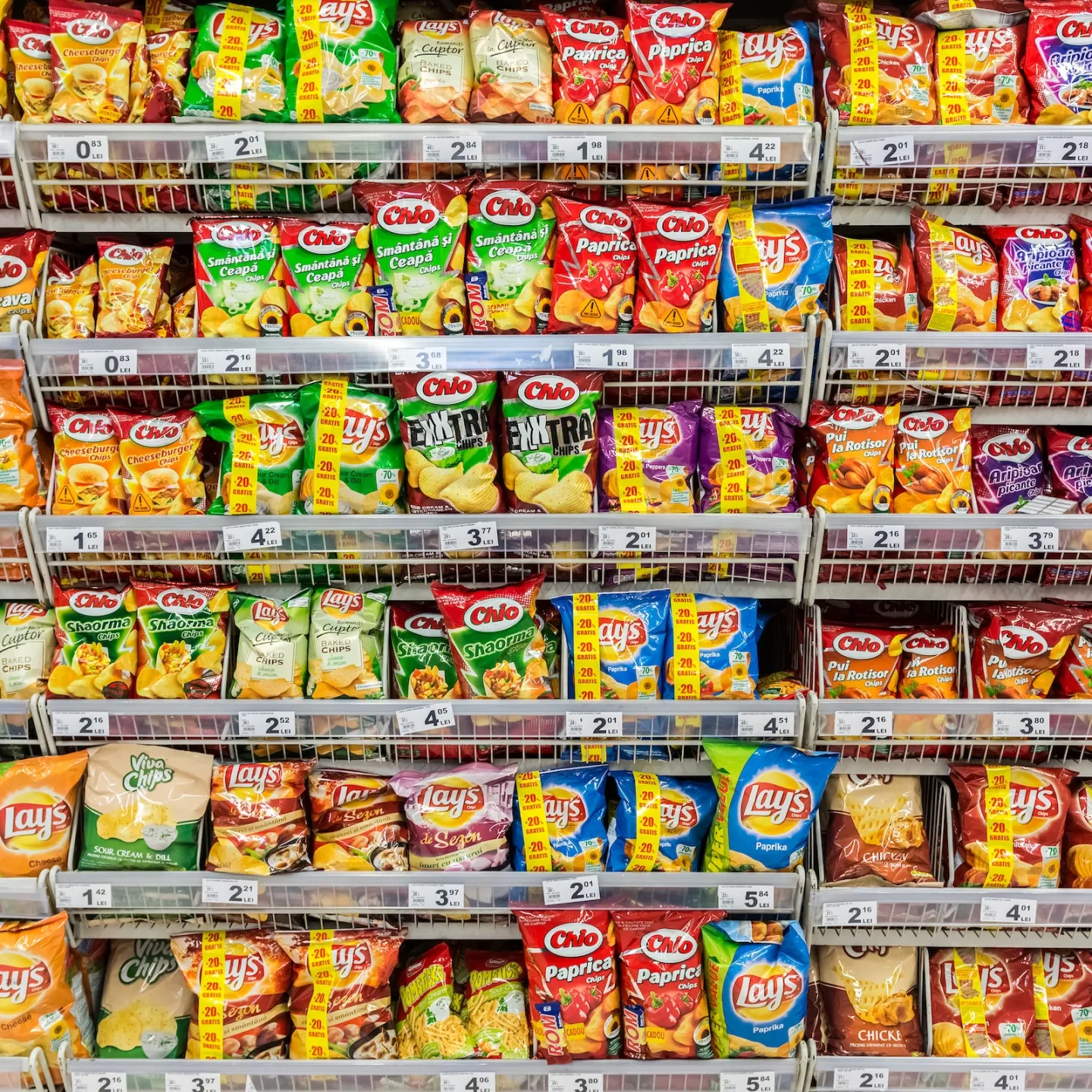
In the past few decades, ultra-processed foods and drinks have arrived to virtually every community around the globe, taking the place of healthier, more traditional diets. This increased availability — combined with aggressive marketing by the junk food industry — has dramatically changed the way the world eats and drinks, with severe negative effects on our health.

Key facts

A leading cause of NCDs

Globally, unhealthy diets are estimated to be responsible for over a quarter of total deaths from NCDs. 

Vulnerable populations are more at risk  

Healthy diets are unaffordable for the poor in every region of the world and the ultra-processed food industry specifically targets low-income communities with marketing of unhealthy products. 

Intertwined with the climate crisis 

Unsustainable food systems are a key factor driving the climate crisis, while the climate crisis makes it more difficult to access a healthy diet

What is the problem with unhealthy diets?

In recent decades, there has been a dramatic shift in the way the world eats, drinks, and moves. Globalisation and urbanisation have paved the way for a rise in convenience food and drinks, junk food, and eating out, with fewer people growing and preparing their own food. At the same time, the global prevalence of diet-related NCDs such as type 2 diabetes, cardiovascular diseases and stroke, hypertension, and cancer are increasing. 

A person’s ability to eat a healthy diet is often not within their control – it is influenced by the food environment where they live, early life nutrition, income, and accessibility of healthy foods. Ultra-processed foods have a long shelf life, making them appealing to both supermarkets and consumers. Aggressive marketing by the ultra-processed food industry – especially towards children – makes it even more challenging to access a healthy diet. Supportive environments and communities are fundamental in shaping people’s dietary habits and preferences, and policymakers have a key role to play in creating such environments.


Types of malnutrition
Malnutrition can be broadly grouped into conditions resulting from undernutrition, overnutrition, and increasingly a dual burden of the two.

Undernutrition is usually caused by not eating enough nutrients, causing low weight for height and sometimes impeding physical and cognitive development.

Overnutrition is caused by consuming more nutrients than needed, and can lead to overweight and obesity, conditions which increase the risk of developing NCDs.

A growing number of people live with both types of malnutrition simultaneously, as a result of ultra-processed foods that are high in fat and calories but low in nutrients like vitamins, minerals, fibre and protein. Poverty is a main driver of dual burden malnutrition, and it is closely linked with overweight, obesity and diet-related NCDs.

Why is it urgent to act?
Unhealthy diets are directly linked to our health, but are also inextricable from various development issues like poverty, inequity, and planetary health.

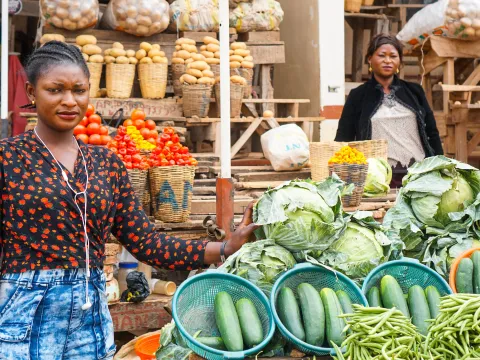
Nutritious whole foods are economically inaccessible for lower-income people in all countries of the world. Often times, they are also geographically out of reach as well, both for those in rural areas and those in urban 'food deserts'. Food deserts are typically low-income communities where fresh foods have been largely replaced with processed foods that have long shelf lives. 

Worldwide, unhealthy diets cost over $8 trillion each year, with the vast majority of this cost linked to NCDs such as cardiovascular disease and type 2 diabetes. Most of this burden falls on LMICs with the poorest communities in countries of all income levels being most affected. An additional $4 trillion are lost due to environmental harms and social inequalities caused by unsustainable food systems. Again, the most severe harms affect LMICs. 

The top 10 food and beverage companies control 80% of store-bought food products worldwide, and 75% of these companies obtain most of their revenues from ultra-processed foods. Reliance on these companies’ products reduces demand for locally-grown and produced food, destroying livelihoods and strengthening unsustainable food systems that harm human and planetary health.

Unhealthy diet and NCDs  
 An unhealthy diet contributes to high cholesterol, hypertension, high blood sugar, and overweight and obesity, making it a leading risk factor for NCDs including diabetes, cardiovascular disease and some cancers. It is also directly linked to the development of neurological and mental health disorders.
diabetes icon

An unhealthy diet is a key driver of the global rise in type 2 diabetes, with some studies attributing up to 75% of these cases to this driver. Diets containing large amounts added sugars and refined carbohydrates contribute to overweight and obesity and alter our bodies' ability to use insulin.

Explore
cardiovascular disease icon

It’s been shown that more than two-thirds of deaths from heart disease worldwide could be prevented with healthier diets. Ultraprocessed foods contain high levels of salt, sugar and unhealthy fats like saturated and trans-fat, which contribute to onset of CVD. 

Explore
cancer icon

The influence of a healthy diet on cancer is largely connected to maintaining a healthy weight, but eating certain foods, like whole grains, while limiting others, like red meat, are also linked to cancer prevention through reduced cell damage.

Add link

The nutrients found in a healthy diet are essential for our brains to function at their best. On the other hand, diets high in ultraprocessed foods, unhealthy fats and added sugar contribute to cognitive impairment and increased risk of disorders like Alzheimer's disease. 

There is a large and growing evidence base that links what we eat to how we feel. A healthy diet contributes to a healthy mood, while diets high in refined sugars and unhealthy fat contribute to conditions such as depression. 

Close up of person stepping on a scale. Still from 'From small steps to systemic shifts' from the Turning the Tide series

Living with obesity: From small steps to systemic shifts

Desi has felt plagued by her weight since childhood, and she’s not alone – over 50% of Bulgarian adults are overweight, almost 10% more than the world average. People living with overweight and obesity are often stigmatised, but it is time to look at the bigger picture. There are many factors driving obesity, like cities reliant on cars for transportation, hectic timetables that leave little time for cooking wholesome meals, and aggressive marketing of unhealthy foods. 

To overcome obesity, we need systemic changes that support people like Desi, rather than stigmatising them, and make healthy choices the most accessible and appealing ones. 

Add link 

Policies to support healthy diets 
Implementing a comprehensive package of nutrition policies is crucial for achieving global NCD targets and building healthier, more resilient populations. The policies below are feasible for countries of all income levels.

Reformulation policies can promote healthier diets by requiring producers of food and beverage products to limit or eliminate harmful ingredients, such as trans-fat, saturated fat, sugars and sodium.

Limiting or banning the marketing and promotion of unhealthy food and drink products, especially to children and adolescents, are a key policy for promoting healthy diets. 

Mandatory front-of-pack nutrition labels, which clearly warn of the high content of ingredients including fats, sugar, and salt, are proven effective in reducing consumption of unhealthy foods and beverages.

'Health taxes' can be imposed on sugar-sweetened beverages and other unhealthy products. They reduce consumption by making these products more expensive, at the same time generating public revenue which can be used for health.

Subsidising whole, nutritious foods lowers their cost to make them more accessible. Subsidies to growers also support healthy, sustainable food systems.

Population-wide communication campaigns are effective in raising awareness around the health harms of products high in fats, sugar and salt.

Nutrition education and counselling in preschools, schools, workplaces and health centres empowers communities to make more informed decisions on their health and the foods they consume. 

Healthy diets begin at birth, and when possible breastfeeding is recommended for newborns and babies. It fosters healthy growth and cognitive development, and lowers the risk of overweight or obesity later in life.  

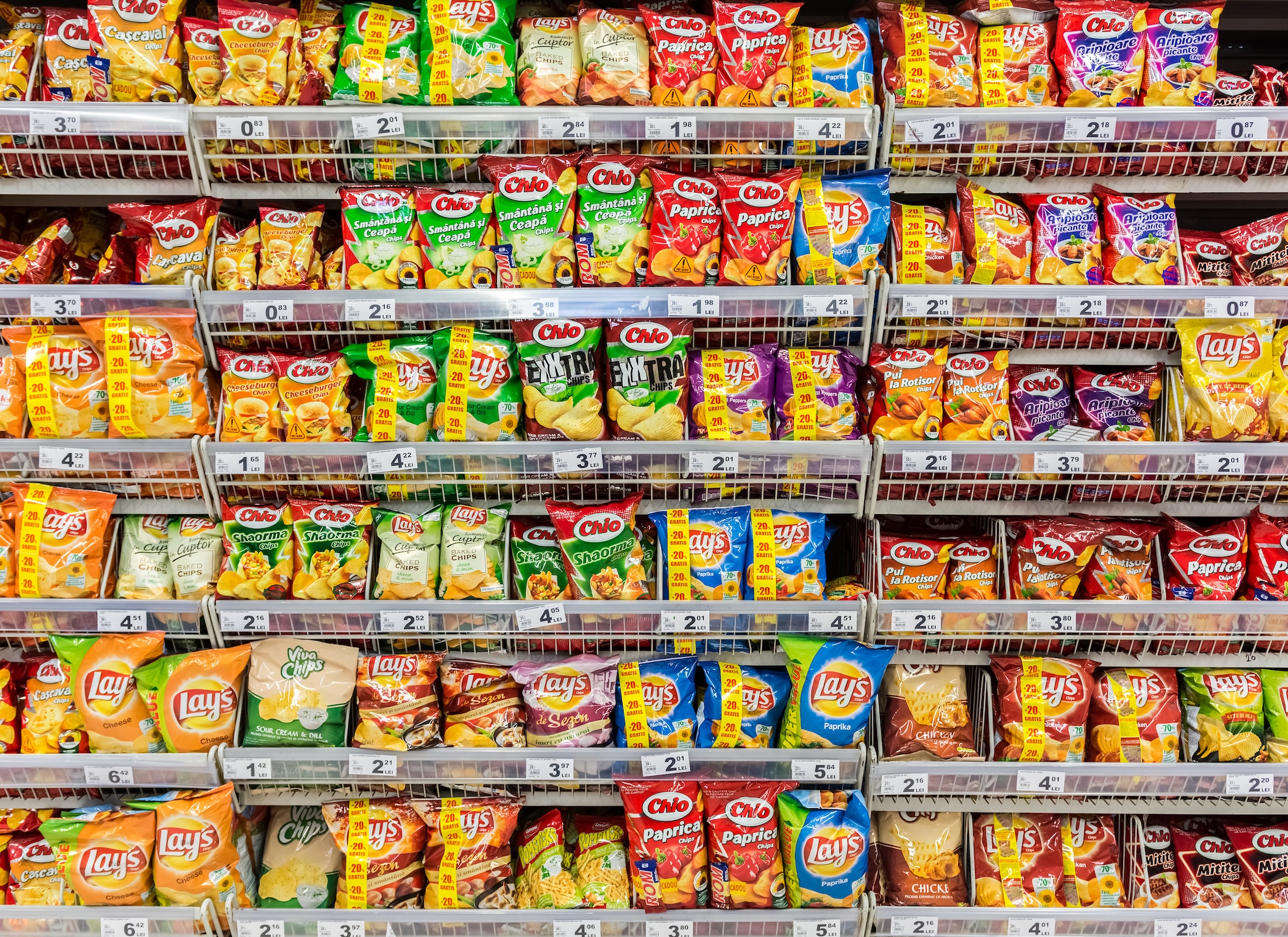
Crisps in a supermarket

A killer in your food: time to eliminate trans-fat

Industrially-produced trans-fat (iTFA) is the worst type of fat you can eat. It causes heart disease and increases the risk of death. Most trans-fat is formed through an industrial process that adds hydrogen to vegetable oil, which causes the oil to become semi-solid at room temperature. The use of iTFA has increased since the 1950s, because it is cheap and has a long shelf life. 

Today, healthier options are available and iTFA can be replaced without added cost or lost flavour. One of the most straightforward nutrition policies is the elimination of industrially-produced trans fats, or trans fatty acids (iTFA), from the global food supply. If all countries removed this toxic compound, 17 million lives could be saved by 2040. While many countries have eliminated iTFA from their food chains, many others – almost all of them low- and middle-income countries – are yet to do so.

Add link 

Sugary drinks in a supermarket

Latin America and the Caribbean: leading a health revolution

Latin America and the Caribbean are managing some of the highest levels of overweight and obesity, hypertension, and diabetes in the world, and unhealthy diets have been major contributors to this health burden. That’s why countries thoughout the region have been implementing some of the world’s boldest policies to protect populations from the ultraprocessed food and drink industry.

Add link 

Share options: