Air Pollution

Air pollution is now recognised as the second leading cause of death, but it is only beginning to get serious attention in global health. With 99% of people in the world breathing polluted air, this is one NCD risk factor that truly affects us all.

Key facts

Air pollution is killing and disabling people everywhere 

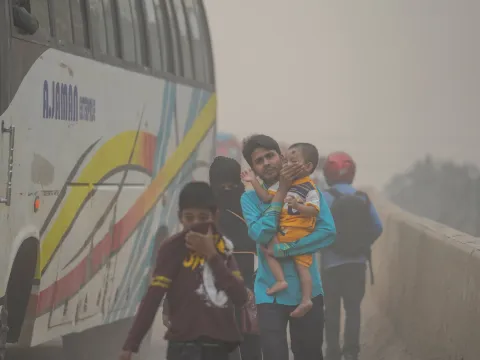
Nine in 10 people are breathing dangerously polluted air. In 2021, this caused more than one in eight deaths globally, with many millions more living with debilitating chronic diseases. 

Burdening the poor and vulnerable 

No one is safe from air pollution, but it disproportionately harms people in developing countries and lower-income communities in all countries. Along with the poor, those most affected by air pollution include the very old, very young, women, children and marginalised groups including Indigenous people. 

Fossil fuels are the primary source 

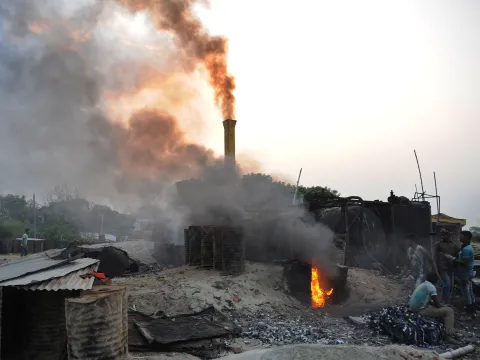
Each year about five million deaths from air pollution are attributed to the burning of fossil fuels, yet the fossil fuel industry continues to enjoy tax breaks and subsidies in many countries around the world.
About air pollution

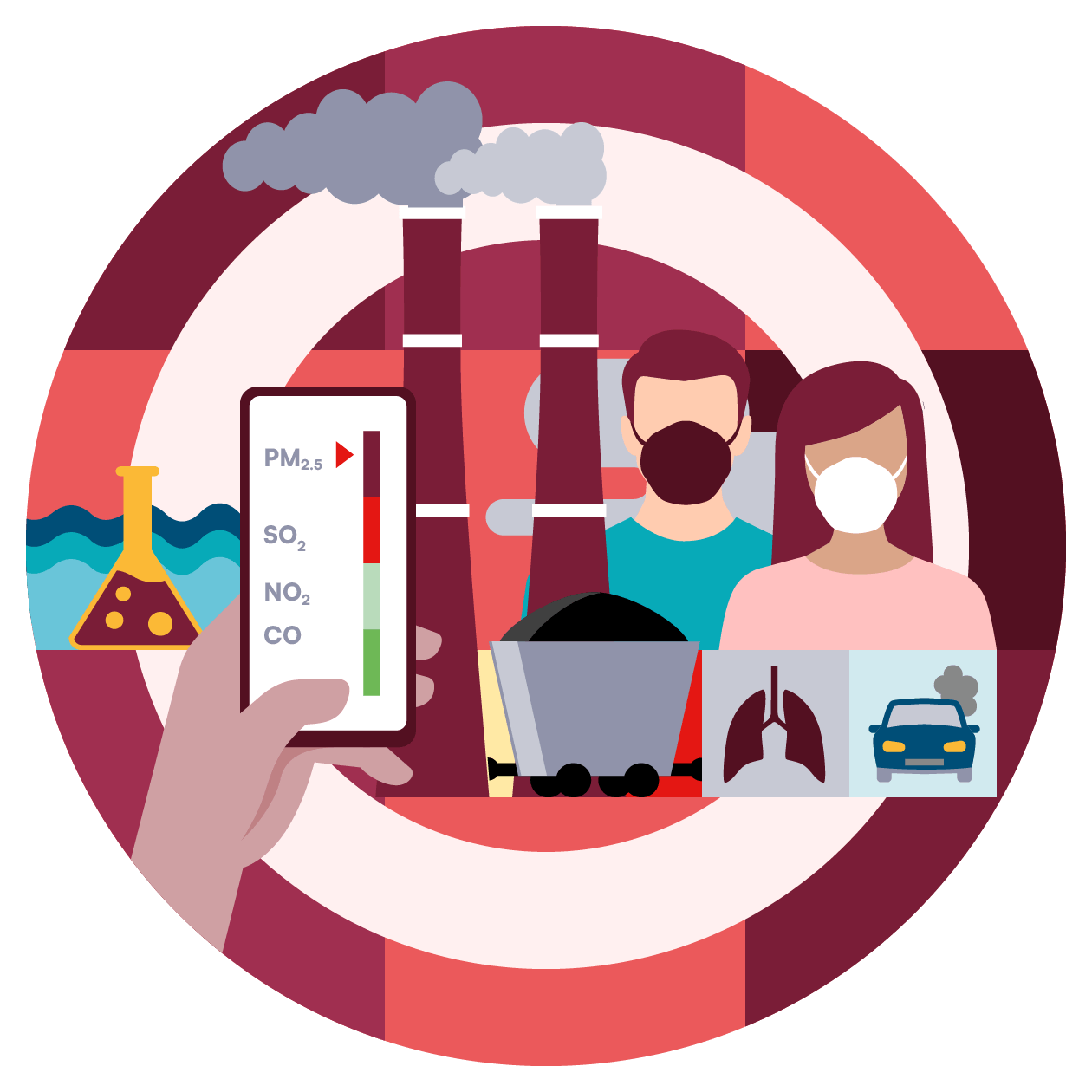
Air pollution is all around us - even those who are living in remote rural areas are exposed to at least small amounts - and 90% of us are breathing air that is unsafe due to pollution. Air pollution was officially recognised in 2018 as the fifth key NCD risk factor, adding to tobacco, alcohol, physical inactivity and unhealthy diet. In fact, air pollution is the top NCD risk factor, causing at least as many deaths per year as tobacco. 

And air pollution is different from the others – while the other risk factors are considered ‘modifiable’ with the right tools and support, air pollution is entirely beyond individual control. Protecting populations from air pollution harm is up to governments, and that means all governments of the world, because air pollution crosses borders.

Air pollution comes from sources like agriculture, wildfires, and wood-burning stoves, but there is no question that the biggest contributor is the burning of fossil fuels. Getting a grip on the fossil fuel industry through policies like pollution taxes and the removal of subsidies is a first step that all countries need to take – now.

A global health and development urgency
Air pollution infiltrates many areas relating to sustainable development. This means its harm is extensive - but also signals opportunities for joint action across sectors and priorities.

Air pollution and the climate crisis are two sides of the same coin, with air quality being intertwined with the climate and ecosystems. Burning fossil fuels causes both air pollution and greenhouse gas emissions, driving the rising temperatures that are linked to increasingly frequent extreme weather events. As in all emergencies, people living with NCDs are among those who face the highest risk due to disruptions in health systems and medical supply chains.

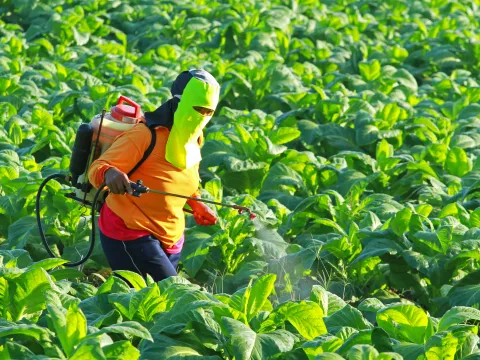
Unsustainable food systems are not only driving unhealthy diets and malnutrition, they are also inextricably linked to air pollution. Industrialised agricultural practices lead to the release of greenhouse gas emissions and pollutants, as well as deforestation. In turn, agricultural output is harmed by air pollution, for instance by ozone emissions being toxic to crops or particulate matter interfering with photosynthesis.

Air pollution does not affect all people equally - it is thickest in low- and middle-income countries with developing industrialized economies. This is often aggravated by less strict air quality rules and subsidized fossil fuels, and agricultural burning practices. Within countries, poorer and marginalized communities are more affected. Low-paying jobs often involve outdoor work, increasing exposure to pollution. Industrial plants and transport routes are frequently in low-income areas. As air pollution rises, housing prices drop, reinforcing the low-income status of these neighborhoods.

Air pollution and NCDs
Air pollution is a mix of particles that penetrate deep into the lungs and enter the bloodstream, causing inflammation in the lungs and body, leading to oxidative stress, damage to vital organs, and the onset of NCDs. Both outdoor and indoor air pollution harm health.
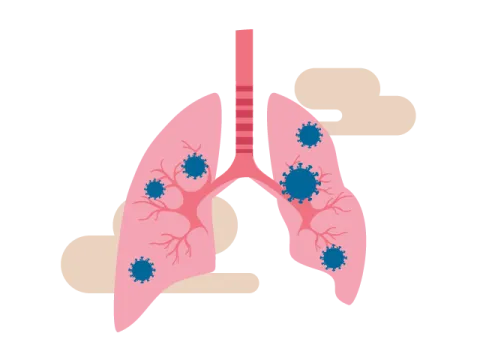
lung infections illustration

Air pollution competes with tobacco use as the leading risk factor for chronic respiratory diseases, including chronic obstructive pulmonary disease.

Explore
cardiovascular disease icon

Air pollution is responsible for more than a quarter of all deaths from ischaemic heart disease and stroke, totalling over three million deaths per year.

Explore
cancer icon

Air pollution is the cause of 29% of lung cancer deaths, and increases the risk of dying from cancer by 12% overall. Air pollution also increases significantly the risk of developing numerous other cancers.

Add link
diabetes icon

Air pollution is an important risk factor for diabetes. It is estimated that approximately one-fifth of the global burden of type 2 diabetes can be attributed to air pollution.

Explore
neurological conditions icon

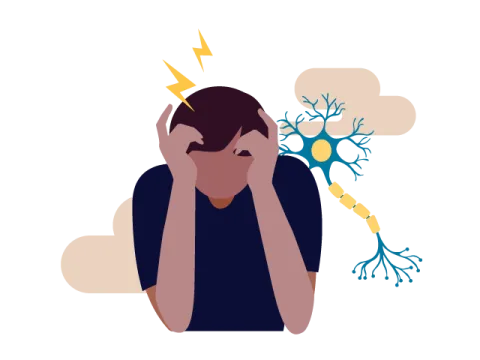
Growing evidence is linking air pollution to brain disorders, including impact on neurodevelopment in children and neurodegenerative diseases such as Parkinson’s disease and Alzheimer’s disease in adults.

Explore
mental health icon

Air pollution is linked to significantly higher incidence of many mental health conditions ranging from anxiety and depression to bipolar disorder, personality disorders and schizophrenia, amongst others.

Explore

Behind closed doors: the danger of household air pollution

About 2.3 billion people worldwide (a third of the global population) cook using open fires or inefficient stoves fuelled by kerosene, wood, animal dung, crop waste or coal, which generates harmful household air pollution. Women and children bear the greatest health burden from the use of polluting fuels in homes, facing higher risk of NCDs like stroke, ischaemic heart disease, COPD and lung cancer. 

38% of more than 8 million deaths from air pollution are caused by household pollution, including over 500,000 deaths in children under the age of 5 in 2021. 

It is essential to expand use of clean fuels and technologies to reduce household air pollution and protect health.

Turning the tide on air pollution
In 2021, WHO updated its Air Quality Guidelines, setting targets to reduce pollution. While 81% of countries have met the first target, much more needs to be done. These actions can help:

Governments can protect populations from pollution with fiscal policies. A congestion charge for vehicles entering certain zones in European cities has had dramatic effects, decreasing particulate matter by up to 22% in the first year of implementation. The removal of subsidies granted to polluting industries can have similar effects. If subsidies to the fossil fuel industry were redirected to health, all countries could provide universal health coverage to their citizens.

Despite the damage that air pollution inflicts on our health, planet and economy, efforts to improve air quality are chronically underfunded. Only 1% of international development funding ($2.5 billion per year), 2% of international public climate finance ($1.66 billion per year), and 0.1% of philanthropic funding goes to clean air projects. It’s time to explore integrated funding solutions for clean air and health. 

The health sector alone cannot combat air pollution. It takes all collaboration between all sectors of government and society to implement the right measures, such as the transition to renewable energy; promoting public transportation, bicycling and walking; increasing green spaces; and strengthening pollution control policies. Not only do these actions directly lower disease risk by reducing exposure to harmful pollutants, but they also promote better health by creating environments conducive to physical activity.

Back to basics

Nine in 10 people are breathing dangerously polluted air.

This causes more than one in eight deaths globally, with many millions more living with debilitating chronic diseases. Clean air interventions are shown to be cost-effective and fast-acting, but air pollution is only beginning to get the policy attention it deserves within global and national NCD responses.

Cities in the spotlight
Urban areas are hotspots for poor air quality, with unsafe levels of pollution in 97% of cities in low- and middle-income countries. Here are some cities that are taking action.

Bogota is one of Latin America’s leaders in reducing air pollution. The city is electrifying its public bus network and aims to completely electrify the metro system. It has also installed over 80 kilometers of bike lanes, as part of an ambitious plan to reduce its air pollution by 10 per cent by 2024.

Poland is home to 36 of the European Union's 50 most polluted cities, with air pollution responsible for 47,500 premature deaths every year. Warsaw is working to change that, with a network of 165 air sensors across the city to inform an air quality database. The initiative will then support the phase-out of coal heating and set-up of a low-emission zone.

With 26 million people living in Greater Seoul, the city is facing an air quality crisis. Particulate matter levels are about twice those of other major cities in developed countries. In 2020, the city announced it would ban diesel cars from all public sector and mass transit fleets by 2025. It is also creating more pedestrian areas and planting trees to clean up and cool down city air.

Accra, Ghana has air pollution levels that are five times higher than WHO guidelines, with high levels of indoor pollution as well. The city has started a campaign to educate people about the health dangers of indoor cookstoves and to discourage locals from burning their waste. It is also working to switch to more sustainable transport, waste and household energy systems.

Bangkok, Thailand is often shrouded by a layer of air pollution, but the city is tackling both air pollution and carbon emissions with the Green Bangkok 2030 Project. It aims to increase the ratio of green space in the city to 10m2 per person and have trees covering 30% of the city’s total area. Eleven parks are set to open, as well as a 15km greenway.