UN High-Level Meeting on HIV/AIDS: Advancing integrated care for people living with HIV
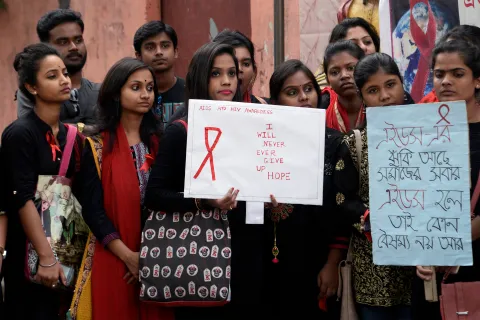
The 2026 United Nations (UN) High-Level Meeting (HLM) on HIV/AIDS took place against a backdrop of unprecedented reductions in global health financing, increasing pressure on health systems and ongoing discussions on the future of global health architecture. The Political Declaration was ultimately adopted by vote rather than consensus, reflecting broader geopolitical divisions on issues including human rights, gender equality and international cooperation.
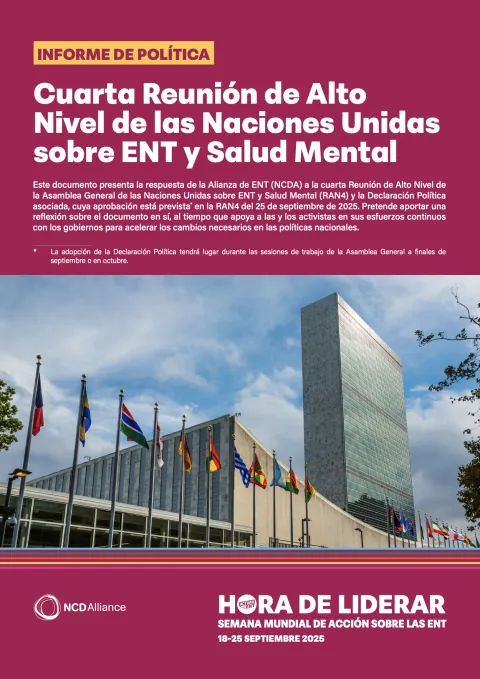
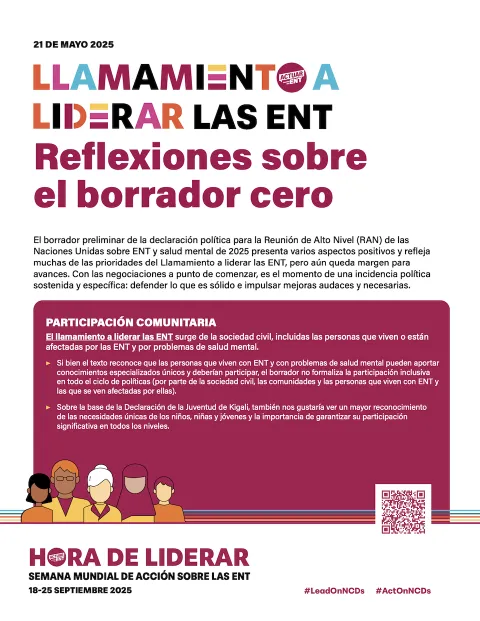
Over half a year after the adoption of the UN Political Declaration on NCDs and Mental Health and Well-Being, the HLM also marked an important step in strengthening collaboration between HIV, NCD, mental health and primary health care communities. Throughout the negotiations and the meeting itself, there was growing recognition that sustaining HIV gains will depend on stronger, integrated and people-centred health systems that respond to the realities of people living with HIV.
Primary health care and integrated care: From advocacy priority to political commitment
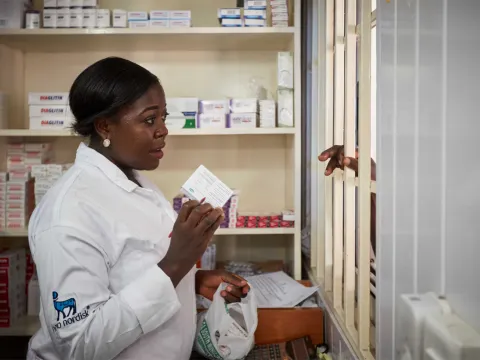
The strongest outcome from an NCD Alliance perspective was the recognition throughout the Political Declaration that people living with HIV increasingly require lifelong, integrated care.
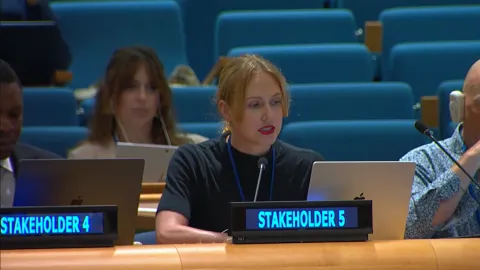
The declaration recognises the growing burden of noncommunicable diseases (NCDs), mental health conditions and other comorbidities among people living with HIV, while highlighting the need for integrated management of comorbidities, healthy ageing and psychosocial support (paragraph 29). It also commits countries to integrating HIV services within primary health care and broader health systems, explicitly including NCDs and mental health (paragraph 53), and retains reference to the 2025 Political Declaration on NCDs and Mental Health and Well-Being (paragraph 4), creating an important bridge between the two HLMs.
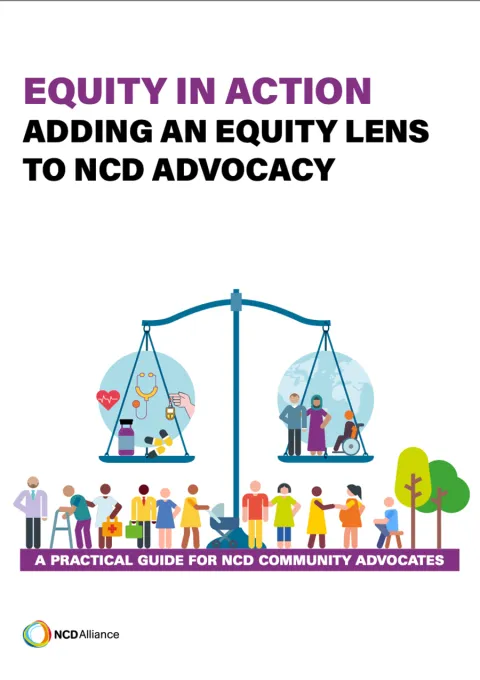
These outcomes closely reflect priorities advanced by the NCD Alliance together with HIV, mental health, primary health care and community partners. Over the past year, this collaboration produced shared advocacy priorities, supported successive reviews of the Political Declaration and led to the launch of Advocating for Integrated HIV, Noncommunicable Disease, and Mental Health Responses: A Toolkit for the 2026 United Nations High-Level Meeting on HIV/AIDS. While stronger accountability for implementation would have been welcome, the HLM demonstrated an important shift: integrated HIV, NCD and mental health services are increasingly recognised as central to the future of the HIV response.

Global health architecture: Integration as a response to changing realities
The changing global health landscape featured prominently throughout the HLM. As international HIV financing comes under increasing pressure, Member States repeatedly emphasised sustainability, country ownership, primary health care and stronger health systems.
For the NCD community, these discussions reinforced a central message: integration is not simply good practice but an essential response to multimorbidity, demographic change and constrained resources. As global health architecture discussions continue, strengthening integrated, country-led health systems will be critical to sustaining HIV gains while responding to the growing burden of NCDs and mental health conditions. Read more about NCDA's policy position on global health reform here.
From political commitment to implementation
The 2026 HIV HLM demonstrated how far the conversation has evolved. Just a few years ago, advocates were making the case for recognising NCDs and mental health within the HIV response. Today, integrated care is firmly embedded within the global HIV policy framework.
The challenge now is implementation. As countries begin implementing both the HIV and NCD Political Declarations, and preparations begin for the UN HLM on Universal Health Coverage in 2027, the priority must be to translate these commitments into integrated, people-centred health systems that improve health outcomes throughout the life course.
Lesley Odendal is an independent global health consultant specialising in HIV advocacy, community engagement and health policy. She supported NCD Alliance's engagement in the 2026 UN High-Level Meeting on HIV/AIDS
As NCD Alliance’s Policy and Advocacy Manager based in New York City, Marijke is responsible for covering financing policy and United Nations advocacy. Prior to joining NCDA, Marijke worked in international peace and security and human rights focusing on gender and the WPS agenda, mass atrocity prevention, and the protection of civilians in conflict. She has also worked in legal aid and advocacy for refugees and asylum seekers in Cape Town, South Africa. Marijke holds a BA in Political Science from the University of Michigan and a Master’s degree in Human Rights from Columbia University.