Solutions driving the response to NCDs

Cross-cutting solutions to advance the NCD response

NCDs are the leading cause of death worldwide and both a consequence and a cause of poverty, inequality, and health system strain. They disproportionately affect those with the least access to care and are driven by social, economic, and environmental determinants. In turn, NCDs push millions into poverty each year through lost income, high out-of-pocket costs, and preventable deaths.

Their impact intersects with other global challenges — including climate change, gender inequality, humanitarian emergencies, and fragile health systems. An effective response requires integrated, forward-looking solutions that strengthen resilience and promote equity.

This section explores key areas shaping the global NCD response — starting with financing and universal health coverage — and introduces additional solution areas coming soon.

Discover The solutions
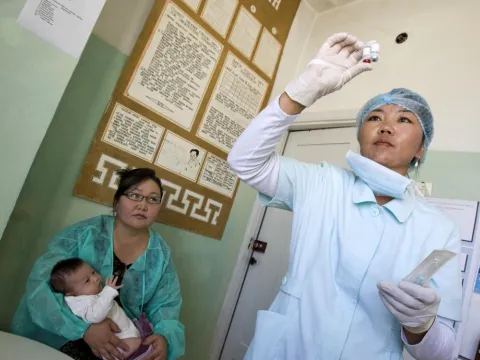
UN agencies assist in Mongolian health care

Universal health coverage (UHC) is essential to ensuring that all people can access the NCD services they need without financial hardship. UHC efforts must include prevention, diagnosis, treatment, rehabilitation, and palliative care for NCDs, with services delivered through strong primary healthcare. Embedding NCDs into national health benefit packages and guaranteeing access to essential medicines and technologies are critical steps toward equitable, people-centred care.

Learn more
Frontline health workers in the Philippines featured in a new mini-film titled 'NCDs on the pandemic frontline' produced by BBC StoryWorks 

Despite their burden, NCDs remain severely underfunded. Most countries allocate limited domestic resources, and international investment falls far short of need. Closing the NCD financing gap requires long-term, sustainable investment across the care continuum. This includes integrating NCDs into UHC and national budgets, aligning donor strategies, and using fiscal policies and pooled funds to unlock new resources and reduce the economic toll of NCDs.

Read more
A holistic approach to healthcare

NCDs disproportionately affect the poorest and most vulnerable, reflecting deep, avoidable inequalities. Achieving equity requires recognising how social, commercial, and health system factors intersect to shape access and outcomes. Rights-based, people-centred approaches — including the meaningful involvement of affected communities — are essential to identify and remove barriers, redress power imbalances, and close this gap.

Learn more
Little boy looking at ultra processed cereal products

The environments where people live, work, study, and travel shape health behaviours and outcomes. Policies that support active transport, restrict marketing of harmful products, improve access to nutritious food, and create smoke-free and safe public spaces are critical to preventing NCDs. Built and policy environments must make healthy choices easier and more equitable.

Learn more
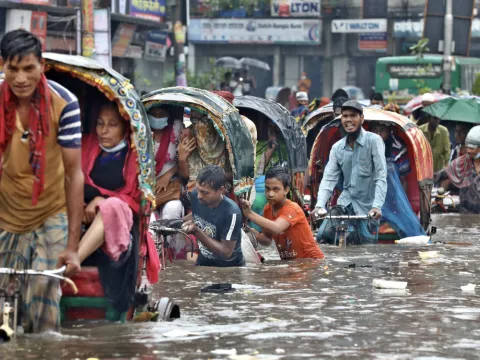
People in Asia moving through flood caused by Tsunami

The climate crisis and NCDs share common drivers and amplify each other’s impact. Air pollution, heat stress, and poor diets linked to unsustainable food systems all raise NCD risk. Climate-resilient health policies can deliver co-benefits — reducing emissions, improving air quality, and promoting healthy behaviours through urban design and environmental regulation.

Read more
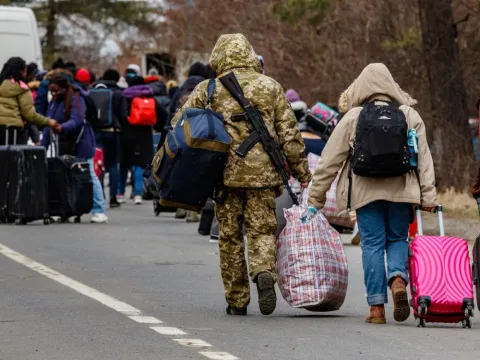
Refugees walking in Ukraine

In conflict zones, disaster settings, and displacement contexts, NCDs are frequently overlooked. Yet people with chronic conditions require consistent access to care and medications. Humanitarian responses must go beyond acute care to include NCD screening, treatment, and follow-up. Inclusion in emergency health packages is essential for equity and survival.

Learn more
Health staff at cervical cancer treatment centre in Paraguay

Health systems that can deliver integrated, continuous NCD care — even during shocks — are essential to population health and preparedness. Building resilience means investing in primary care, workforce capacity, data systems, and supply chains. NCD services must be part of core system design, not sidelined during emergencies or under routine conditions.

Read more

People living with HIV and TB often face high risks of NCDs like cardiovascular disease, diabetes, and certain cancers. Integrated service delivery offers a cost-effective, person-centred approach that reduces fragmentation. Leveraging HIV/TB platforms can expand NCD coverage and improve outcomes for people with multiple chronic conditions.

Learn more
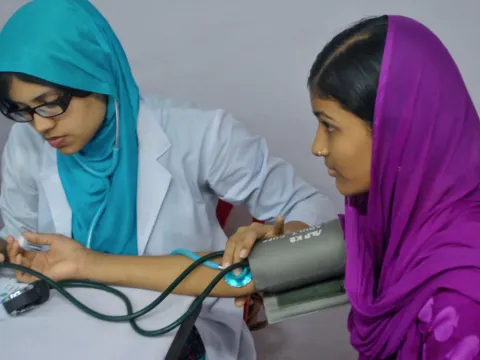
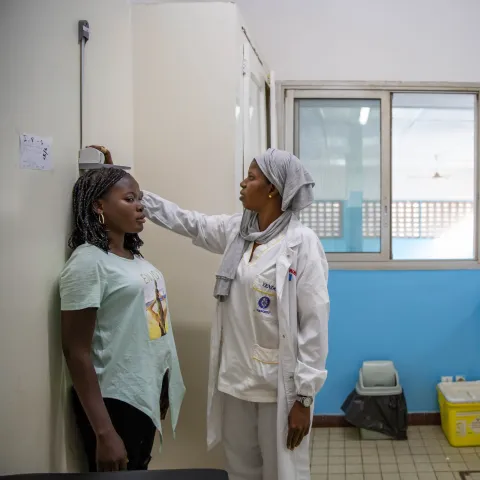
A nurse in Pakistan taking blood pressure for a child

Women and children are uniquely affected by NCDs due to gender roles, biological factors, and social determinants. From gestational diabetes to cervical cancer and childhood obesity, tailored strategies are needed across the life course. Prioritising their needs strengthens families and communities and advances gender equality and intergenerational health outcomes.

Media Spotlight

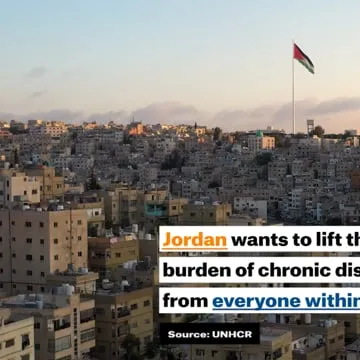
Humanitarian settings
Jordan puts NCDs at heart of UHC and humanitarian response
1 minute 10 seconds
Financing NCDs
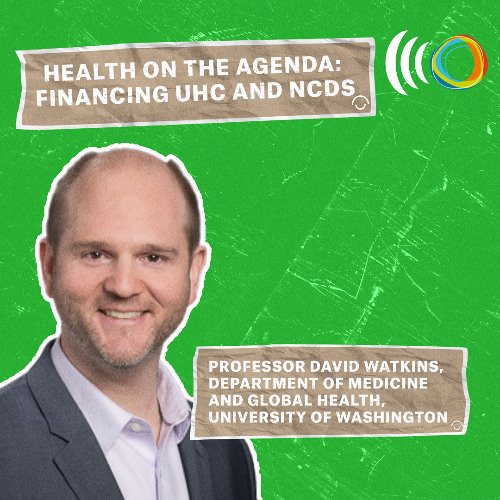
Health on the agenda: Financing UHC and NCDs
Health on the agenda: Financing UHC and NCDs podcast cover
20 minutes
Cancer
Combining care to save lives
5 minutes 8 seconds
Health equity
Bold leadership for NCD equity
Bold leadership for NCD equity podcast cover
24 minutes
Share options: