A call for climate health and sustainable food systems
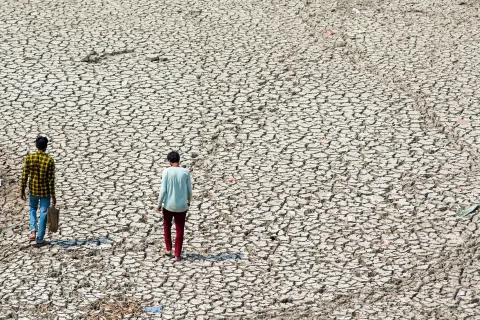
In light of the growing climate crisis and its profound impact on food security and diet quality, the NCD Alliance (NCDA) is intensifying its advocacy efforts to address the interconnected challenges of climate change, food systems, and noncommunicable diseases (NCDs).
The effects of climate change—exacerbated by globalised food supply chains, unsustainable agricultural practices, and fossil fuel use—are driving malnutrition and contributing to the NCD epidemic.
The urgent challenge: Climate, food, and health
The past four decades have seen the globalisation of food supply chains, leading to mass production practices like fertiliser use, livestock farming, and deforestation. These activities not only increase greenhouse gas emissions but also alter ecosystems, affecting food availability and quality. Climate change impacts—such as heatwaves, disrupted rainfall patterns, and acid rain—have made nutritious diets increasingly unaffordable, especially for marginalised populations. As a result, many countries now face a ‘double burden’ of malnutrition—simultaneous under-nutrition and over-nutrition fuelled by ultra-processed, nutrient-poor, calorie-dense foods.
NCDA’s cross-sectoral advocacy
In 2023, NCDA prioritised cross-cutting advocacy to address climate change, food systems, and NCDs. As part of these efforts, NCDA actively participated in the UN Food Systems (UNFSS) process, including the UN Food Systems Stocktaking Moment +2 in Rome. During this event, NCDA engaged with key UN agencies—such as FAO, UN Nutrition, UNICEF, and the World Food Programme—to integrate nutrition and NCD prevention into global policy frameworks.
NCDA also collaborated with the Healthy Climate Network on the policy brief "Diverse, healthy diets for all: How a focus on healthy diets can transform food systems and climate action." Additionally, NCDA endorsed the Global Climate and Health Alliance’s recommendations for COP28 and supported outreach efforts for a WHA77 resolution on climate and health.
Advocating for policy change
NCDA continues to strengthen partnerships with WHO departments and other UN bodies to promote comprehensive strategies that address both climate change and NCDs. The goal is to advocate for healthier, more sustainable food systems that are accessible and affordable for all, prioritising the most vulnerable communities.
NCDA’s ongoing efforts underscore the critical link between climate action, food security, and NCD prevention, calling for global commitment to sustainable health solutions.
The above was adapted from NCDA's Annual Strategy 2023.