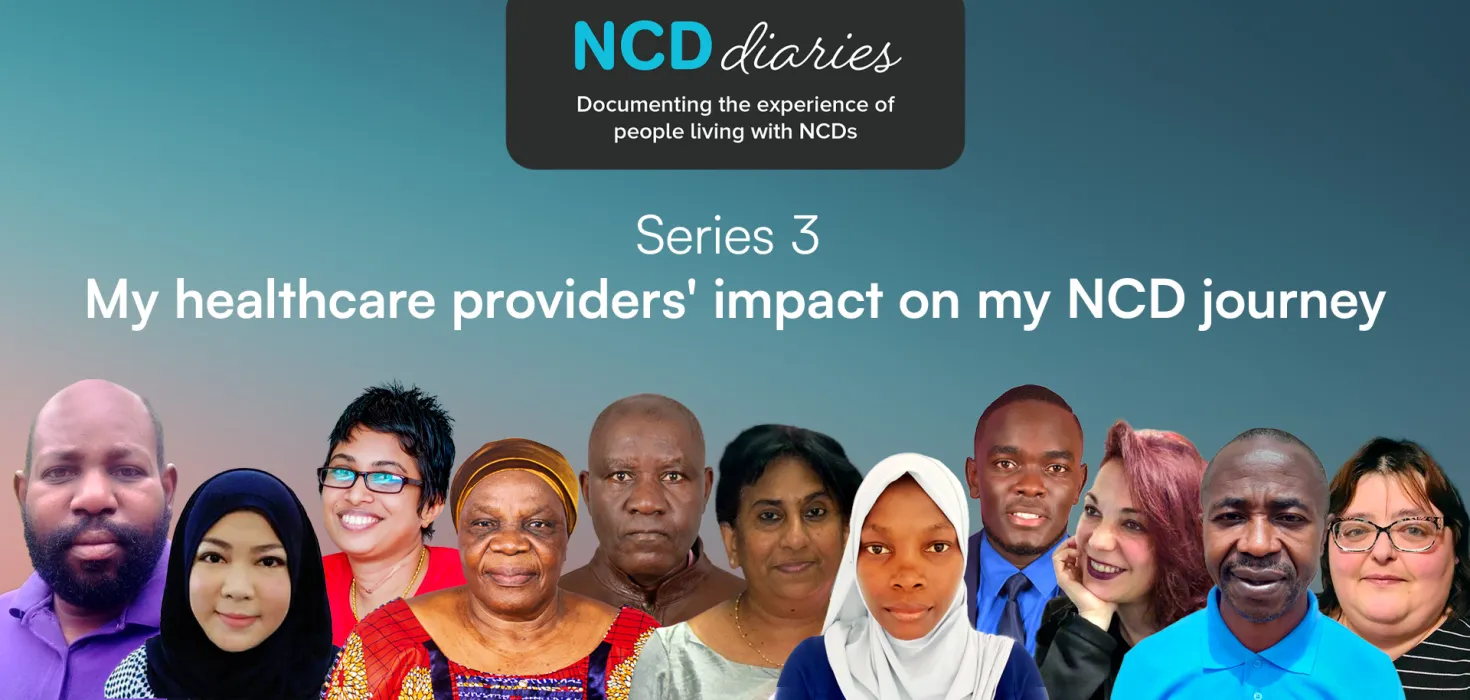
NCD Diaries Series 3 "My healthcare providers' impact on my NCD journey"

Audio diary

Snehal Nandagawli

Lived experience of multiple chronic conditions, India

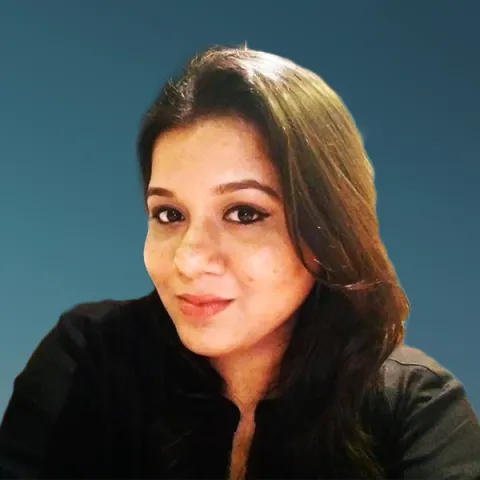
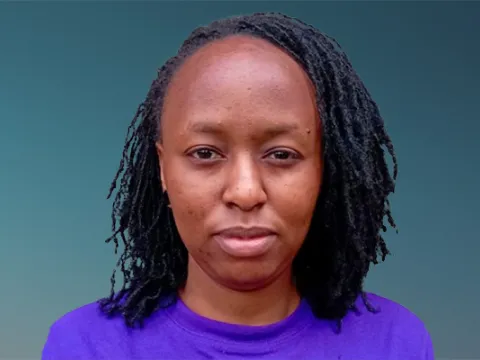
Snehal Nandagawli portrait

My name is Snehal Nandagawli and I am from India. I live with Type 1 Diabetes. I volunteer at the Blue Circle Diabetes Foundation. Professionally I work as a Manager with PwC. I am also a passionate blogger and I love to talk about makeup, fitness and my life with Type 1 Diabetes.

I would like my diary to help people living with NCDs to live their life to the fullest, have a positive mindset and a healthy approach to accept the condition they are living with.

3 April 2023

Story of self

My name is Snehal and I am from India, I live with type one diabetes. But what is type one diabetes then and how is it different from type 2? To get a better understanding of what I am talking about and why it is important, I want to share my T1D diagnosis story.

Hello.

My name is Snehal and I am from India. I live with type 1 diabetes.

As I'm recording this podcast, it's been 21 years of me living with type one diabetes, yes, it's been that long. I would say, around 70% of my life I have lived with this condition.

Before I move on to my journey of living with type 1 diabetes or T1D as it is commonly known as, I would quickly like to mention what type one diabetes is.

Basically, diabetes is a chronic condition that affects the way the body processes blood sugar. There are multiple types of diabetes and I would say the cause of Diabetes is what would define the type of diabetes an individual has. Perhaps the most common one that you might have heard of is type 2 diabetes. Type 2 diabetes is where the body either doesn't produce enough insulin or it resists insulin. There could be multiple risk factors for type 2 diabetes - being overweight, obesity and physical inactivity, Insulin resistance, genetics and family history, etc.

But what is type one diabetes then and how is it different from type 2? So, type one diabetes is an autoimmune condition wherein your body considers the beta cells of pancreas as its enemy and it destroys them. Beta cells are responsible for producing and secreting insulin and in its absence your body cannot produce insulin at all thereby leading to an inability to regulate levels of glucose in your blood and the only way for you to live a normal life is by taking insulin externally, through injections.

With Type 1 diabetes, we have to be mindful that it is a child we are talking about. The child will never understand the details of the condition, I was diagnosed when I was 11 years old and in Grade 6. I was so young that honestly I don’t even remember much of my life before the diagnosis. I do remember I was a happy, plump, studious kid who loved to dance and study.

To get a better context of what I am talking about and why it is important, I want to share my T1D diagnosis story. It all started with about four months of me feeling sick and unwell. I had all the typical symptoms of diabetes- excessive thirst, frequent urination, extreme weight loss, fruity breath and presence of ants near my washroom. We weren’t aware that these were the symptoms for diabetes, even my healthcare professional did not suspect diabetes because I was just a child. There was limited awareness, 21 years ago, most people weren’t aware that children can have diabetes and that type 1 diabetes existed.

I was sent for a bunch of blood tests and we struggled to get timely diagnosis. At one instance, luckily, my doctor added blood sugar test in the unending series of tests. It came as a surprise to everyone, from my parents and family to the lab technician who collected my sample. The question was, how can I have diabetes at such a young age. The test result came out! It was a shocker, my blood sugars were spiking at 500-600, which was very high. The doctor suspected that it was so for the past 2-3 months and that is what made me sick. The situation, sadly, has not changed a lot since then. Children and adolescents still struggle to get correct and timely diagnosis and often have to face diabetes related complications.

I’d say, timely diagnosis is just one step but what comes next is the struggle with acceptance and changing the way one lives their life. As a kid, I was scared of needles and as a matter of fact every kid would be. When the doctor came to me and said that you will have to now take injections for the rest of your life, daily, it felt like my world came shattering down. I was confused, scared and stressed, but the reality was to accept and move on. No one, my doctor or any other health care professional came to rescue, to provide the emotional & mental support I needed back then. 21 years ago, there were no support groups that my family & I could reach out to. So, I did what was in my control, I moved on with my condition! It is easier said than done. Acceptance of T1D as a part of my life was a major challenge. I do clearly remember that I thought of this as an everyday activity, like how you get up in the morning and brush your teeth. I mentally prepared myself that now I'll have to take injections, three times a day & check my blood sugars. Every time I had to take an injection or check my blood glucose on a glucometer, I hated it. As a person living with type one diabetes, you have to check your blood sugars around 7 to 8 times a day unless and until you are on continuous glucose monitoring system, which is what I am on now because I have the resources to access it but I am mindful that not everyone can.

I was going through a lot but what my parents went through was another area of concern for me. They would cry at times and probably had the same questions that anyone would have “why my child? what did they do they do wrong for this to happen? where did it go wrong? probably blaming the genetics.”

My dad also had type two diabetes but it is now known that type one diabetes is an autoimmune condition which can happen to anyone even with no history of diabetes in the family. I felt miserable for making my family go through all of this, it started affecting my mental health. Your life takes a U-turn with type 1 diabetes, my parents were my primary caregivers and it was very difficult for them. The challenge, you know, is that until and unless everyone around you- at school, family, community is aware about your needs and requirements, it will be difficult for you to manage the condition effectively. For example, if you are at school and have an episode of high or low sugar, the school staff become your primary caregiver and they have to be equipped to handle such a situation. Limited awareness, however, is still the biggest roadblock in bringing the required care closer to those living with T1D.

Right now, I am at that stage where I have fully accepted my condition and even my family has. But, the initial few years after diagnosis were difficult. Now I work with children and adolescents who have been recently diagnosed with T1D to provide support to them and their families. I know the importance of getting access to psychosocial support and counselling services early on in one’s journey with T1D, it helps you cope from the negative feelings and get prepared for what diabetes management and care looks like.

Another factor that plays a very important role in Diabetes management is diet. Your food choices are what majorly control your blood sugars. 21 years ago, there were hardly any healthy food options available in the market which would have enabled me & my family to take better care of my blood sugars. Please note that when I say healthy here, it is in terms of low carb, say sugar free or diabetic friendly food options. To add to this, marketing of unhealthy foods and sugary drinks & easy accessibility to these did not help at all. It was difficult for me to say no to such foods. I struggled a lot with diet initially. One thing that helped me traverse the initial days of diabetes management and acceptance was dancing. I loved to dance, it was fun, made me happy and it was also a great physical activity that helped me manage my blood sugars.

The role an enabling environment plays in disease management and care and even secondary prevention, is crucial but not advocated for. This has to be a priority for our government and policy makers. At community level, we need to address stigma and how misinformation makes life difficult. A person is already going through a lot of agony but getting comments from everyone around you on the seriousness of the condition does no good.

People living with diabetes should have easy access to healthy food options at all times.

21 years of living with type one diabetes have made these a part of my identity but we can change this for our children, they should be diagnosed as early as possible and have access to quality medication and insulin at an affordable price.

3 April 2023

Story of us

In this second series, I would like to talk more about my community as a whole. What we all have to go through and the issues and the concerns that we face on a daily basis. Living with a chronic and invisible condition like diabetes that requires 24/7 attention is not easy.

Hello, in the first part of my NCD stories, I talked about my diagnosis of type 1 diabetes. In the second part, I would like to talk more about my community as a whole. What we all have to go through and the issues and the concerns that we face on a daily basis. Living with a chronic and invisible condition like diabetes that requires 24/7 attention is not easy. Previously, I talked about the issues of lack of education, lack of awareness, impact on mental and emotional health and the importance of diet and exercise. In this part, I would like to draw your attention to a few factors which I feel majorly impact the community as a whole.

Let me start with something which is not just associated with diabetes but also with any NCD in general, ie. social stigma. I do understand that social stigma in general is how people perceive your condition, how they judge the way you live because of your condition, it also considers the impact it has on your families and friends and those around you. A person living with NCD is already going through a lot. There's a lot of life changes, changes that impact you physically and emotionally. There are thoughts in your head 24/7 and on top of that getting comments from everyone around you on the seriousness of the condition or any unsolicited advice does not help at all. Specially with diabetes and as a woman living with diabetes the first and the foremost question that we get often get asked is- will she be able to have a child? This stigma is associated around everything with diabetes starting right from the very basic need of medication or insulin. It's very often that you get to hear comments like will you get addicted to insulin, is it harmful in the long run, who is going to support you financially for all this medication? People pressurizing you to eat foods which impact your blood sugars and people questioning your lifestyle changes. As a woman living with type 1 diabetes, we have to go through another set of stigmas associated with diabetes regarding menstruation, dating, marriage, child birth, if the woman will be able to take care of the family, take care of the child. I along with many other women living with Diabetes had to go through our fair share of questions and unsolicited advice. This definitely impacts the emotional wellbeing of the PLWD. I do agree that a lot of social stigma around diabetes comes from the fact that there's no awareness about the condition in general and everything that's associated with diabetes. But, yes, definitely there's a lot of scope for us, as diabetes advocates or NCD advocates to create awareness, to initiate talks around diabetes and NCDs and normalize these talks so that people don't feel awkward talking about any medical condition.

Another major factor that I would like to draw your attention towards is the pricing. Now in low and middle income countries like India, where the concept of universal health coverage is, I would say, non-existent and we have to pay for everything out of our own pockets - insulin, oral medication and associated medical supplies. The high cost of living with diabetes is not easy either for the patient or their caregivers. It definitely adds to the financial burden. Take note that insulin is the sixth most expensive liquid in the world. The pricing of insulin and diabetes medication has grown exponentially since years, and by the end of the day, patient is the one who has to face the brunt of it. Insulin for all, availability and accessibility to affordable insulin is something that I truly stand by. We do have a few good schemes recently started by the government of India to support PLWD but there's almost negligent awareness about them. People are not aware that they can get access to cheaper generic insulin or free insulin at a few government hospitals. Associated concerns here would be that you have to go to select few govt hospitals to collect insulin. Most of the times, the insulin at the government hospital is out of stock. It is difficult for people in rural areas who travel for hours to reach the hospital early in the morning and there is no stock of insulin. Regular intervention from govt authorities is needed to ensure the availability and accessibility to the patients.

The next factor that I feel affects us as a community is understanding that there is a risk of getting other NCDs associated with diabetes. We have to do regular checkups for diabetic retinopathy, diabetic neuropathy, nephropathy and blood pressure. Diabetes in general can and will affect all body organs. Caregivers or doctors do not usually stress on the idea that a person living with NCDs or diabetes is at a higher risk of getting other NCDs. For example, over time, poorly controlled diabetes can cause damage to blood vessels in your kidneys leading to kidney damage and cause hypertension or high blood pressure. Hypertension or blood pressure is likely a bi-factor of uncontrolled sugars when you are living with diabetes and this can further lead to cardiovascular diseases as well. Diabetic patients are more likely at a higher rate to develop heart diseases than someone who does not live with diabetes and moreover patients with hypertension or high blood pressure are will exhibit insulin resistance. This sort of becomes a vicious cycle wherein diabetes can affect other body parts or other body organs which in turn increases your insulin resistance and that again leads to high blood sugars leading to poorly controlled diabetes. Once the patient and the family is made aware of how a NCD will affect them and how they can learn to manage it and live with it, the quality of my life of people living with NCDs can be greatly improved.

We have to ensure that there is an enabling environment that promotes healthy lifestyle changes, availability of healthy food choices, encouraging people to take physical activities and normalize talking about NCDs. This will definitely make a person living with NCD better informed and educated. As an informed patient you definitely reduce the risk of getting another NCD or any related complications.

3 April 2023

Story of now

Right now, when we have access to all the support and care that can be given to a person living with type 1 diabetes available, misdiagnosis or a delay in diagnosis is something that we can totally avoid. We need to ensure that people living with diabetes can have good quality of life as everyone else, that they are not restricted from doing anything that they wish to just because they do not have access or they cannot afford certain drugs.

Hello and welcome to the last and the final entry for my NCD Diary. In the first two entries, I shared my story about living with an NCD which is type 1 diabetes. I walked you through my story of diagnosis, the things that I felt were important during that period. We talked about NCDs, we talked about how it affects us as a community, not just type 1 diabetes but all the NCDs.

I’d like to bring your attention back to my diagnosis story which revolved around the issues of timely diagnosis and correct diagnosis. I feel deeply saddened when I hear cases of incorrect diagnosis of type 1 diabetes, which then leads to other NCDs and even fatalities. Right now, when we have access to all the support and care that can be given to a person living with type 1 diabetes available, misdiagnosis or a delay in diagnosis is something that we can totally avoid.

In low- and middle-income countries, like India, where Universal Health Coverage is limited and everything has to be paid out of pocket, living with an NCD like diabetes, definitely adds financial burden on not just individuals but families as well. The price of insulin has risen exponentially over the last two decades at a rate much higher than the rate of inflation. The pressing need of time is making insulin and related medical supplies affordable.

We famously know the story of Dr Banting, who discovered insulin. He refused to put his name on the patent for insulin because he felt that it was unethical for a doctor to profit from the discovery that would benefit so many lives. They sold the insulin patent for a mere one dollar. They wanted this medication to be affordable and accessible to everyone. But, like I said the price of insulin has just been increasing. One would wonder why is it so? Here is what pharmaceuticals would say:
a) cost of development, wait what? For a drug that has existed for over a Century?
b) overall market inflation, which in my opinion stems from an extended monopoly on life saving drugs and
c) high cost to support innovation, which I am unaware of.

I'd like to raise a call to action, for different stakeholders, to highlight what is important and what needs immediate attention:

  1. We can start with promoting basic education and awareness at grass-root level. This needs to start right from our homes and educational institutes. It should be considered to have an educational course that would focus on making prevention a priority and this should be encouraged for all healthcare providers and doctors to promote timely diagnosis and opportunistic screening.
  2. Involving people living with diabetes at all levels of decision making is the key. The issues that are important to them, like insulin availability, oral medication, medical supplies like syringes, CGMs, blood test strips, glucometers, pen needles, doctor visits, lab tests, should be prioritized.
  3. We need measures and laws that provide access to affordable and safe insulin, because for us it is equal to oxygen; if you live with type 1 diabetes you cannot survive without insulin.
  4. We need a government agency to oversee the pricing and make recommendation to insurance on the maximum price of a new or existing drug including insulin.

Concerted advocacy supported by healthcare professionals and organizations working with those living with diabetes so that our voices have the power to make the government and our leaders take some action against over-pricing of insulin and associated medical supplies. High pricing usually leads the patient to skip using insulin because they cannot afford it or rationing of insulin which can lead to a lot of complications and can be fatal at times.

We need to ensure that people living with diabetes can have good quality of life as everyone else, that they are not restricted from doing anything that they wish to just because they do not have access or they cannot afford certain drugs. We need to create more awareness about the availability of generic insulin, where they are available, in which government hospitals, support workers need to spend more time talking with the those living with NCDs and their families. Diabetes as an NCD is an invisible condition and the financial burden of it needs to be addressed. With that I would like to end my NCD diary. Thank you for listening to me. This is Snehal, diabetes advocate from India. Thank you.

Snehal Nandagawli portrait
We are stronger together. We are on a journey to learn, grow and nurture ourselves. Be proud of where you have reached today, the battles you had to fight and all the times you didn't give up. You are a warrior!
Snehal Nandagawli
Lived experience of multiple chronic conditions, India
Series 3 My healthcare providers' impact on my NCD journey
Living with multiple chronic conditions
Grace Achodo
Grace Achodo diarist
Explore more
Maryanne Njuguna
Maryanne Njuguna diarist headshot
Explore more


People living with NCDs
NCD Diaries
NCD Diaries Series 6 "Young Voices in Focus"
Explore more