Cameroon convenes its first national symposium and roundtable for action on NCDs
The fast-rising burden of NCDs in Cameroon, about 43% increase as of 2022 (WHO), has been a major cause for concern for public health experts and advocates. The Reconciliation and Development Association (RADA), in collaboration with the Cameroon NCD Alliance, over the years has been leading advocacy for the adoption and implementation of the World Health Organization Best Buys to reduce the growing burden of diet-related NCDs.
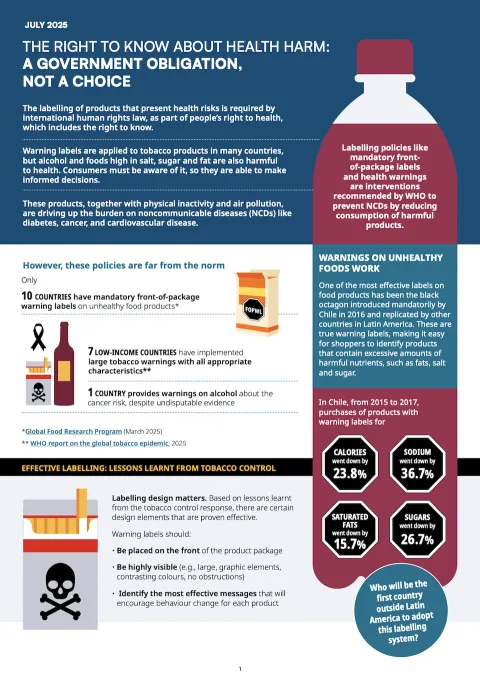
So far, RADA has been working with various key ministries and stakeholders in Cameroon to adopt the front of package warning labels and marketing restriction regulation, and fiscal policies (an increase in the taxes of sweetened beverages and ultra-processed products). The pathway to the adoption of these two healthy food policies has been a multi-sectoral approach, hence the need for the 1st National Symposium and Roundtable for Action on NCDs in Cameroon under the theme “NCDs and Nutrition.”
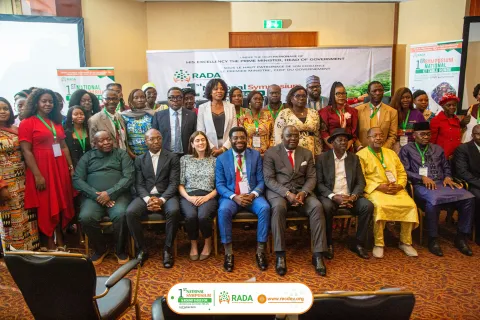
This symposium was organized under the High Patronage of His Excellency, the Prime Minister, Head of Government, in Yaounde on 8 and 9 April 2026, convening over 100 participants, from 11 relevant ministries and agencies of government, researchers, UN agencies, partners, members of parliament, advocates, civil society organisations working on NCDs media, and participants.

The session began with an opening ceremony with remarks from the Chair of the Board of RADA in the person of Dr. Acha Evaristus, Professor Mbanya Jean Claude, chair of the Cameroon NCD Alliance bringing the keynote presentation and making the case for these policies; the WHO Country Director, Dr. Magaran Monzon bringing remarks on behalf of WHO; the Prime Minister's Representative, Mr. Ihyong III, officially opened the event. Each remark touched key aspects of the need for advocacy and the relevance of these policies in curbing the NCD burden while promoting health and development of the Cameroonian population. Day 1 of the symposium set a strong tone for action, bringing together policymakers, health experts, and advocates to address the growing burden of NCDs in Cameroon, with a focus on front-of-pack warning labelling (FOPWL) and marketing restrictions.
In his keynote, Prof. Jean Claude Mbanya said, “Cameroon does not suffer from a lack of policies; we have many. What we lack is implementation. If we do not act now, we will inevitably pay a higher price for building cardiac centers to treat conditions that could have been prevented. The cost of inaction is far greater than the cost of action.”
Dr. Magaran Monzon Bagayoko highlighted that FOPWLs are a vital tool to help consumers make informed choices, reaffirming WHO’s commitment to support Cameroon in tackling NCDs.
Speaking on policy direction, Hon. Njume Peter urged that recommendations from the symposium be translated into concrete laws at the National Assembly, calling for a move beyond dialogue to action.
Mr Ihyong, the Prime Minister’s Representative mentioned in his words, “We propose a multi-sectoral approach. Efforts have been done but much more effort needs to be done. We are open to all suggestions made here after this.”
This was followed by a series of presentations on the studies conducted on the importance of FOPWLs and marketing restrictions, examples of their implementation in Mexico and Chile, alongside recommendations for Cameroon. A panel discussion with the key ministries stakeholders focused on the theme for the day, which was on evidence and policy action for strengthening consumer protection.
From the global evidence session, it was strongly emphasised that labels alone are not enough; they must be supported by marketing restrictions and taxation policies, free from industry interference.
RADA’s CEO Ferdinant M. Sonyuy called for strengthened advocacy and collective action to transform evidence and dialogue into impactful policy reforms that protect public health urgently. He also shared where the advocacy had led so far, the challenges and the needs for collective supportive action.

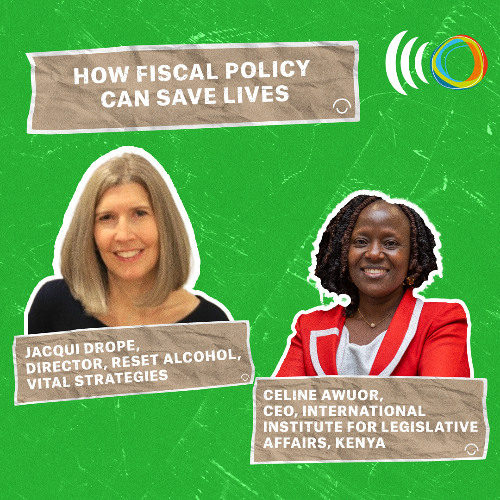
The second and last day focused on the theme: financing health and prevention through fiscal policies in Cameroon, with several presentations spanning from the health tax context analysis for Cameroon, to the economic benefits, to industry interference and policy resistance, several key aspects of fiscality were touched. In the same light, another panel discussion session on the theme followed with key recommendations provided as next steps per the ministry involved.
The closing ceremony marked the end of the conference with the handing over of awards to key persons who have contributed to this advocacy and the ceremony key words from the Prime Minister’s representative, in his words, “We remain committed to working with partners to ensure these recommendations are translated into concrete action for the health of Cameroonians.”
This meeting was the first in Cameroon focused on NCDs and nutrition. RADA, a member of the Cameroon NCD Alliance and currently acting as its secrétariat, provided an opportunity for large engagement by a coalition of members of the Cameroon NCD Alliance as well as the coalition for the promotion of healthy diets in this event. It engaged multiple stakeholders to come to a consensus on the knowledge of, importance, advancement in and the next steps expected from all stakeholders.
It is worth noting that on 6 April 2026, RADA held a virtual pre-conference learning session with Mexico on Healthy Food Policies in Cameroon, which had over 70 participants. The exchange was quite timely as key concerns were addressed and vital strategies learned to navigate the adoption and implementation of the FOPWL and marketing restriction regulations in Cameroon.