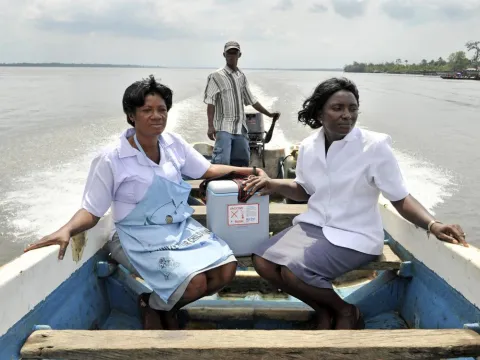
WHO expands free NCD training for health workers
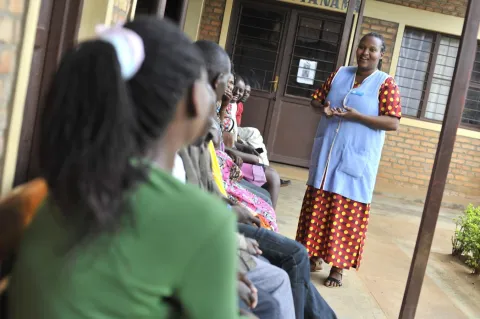
As noncommunicable diseases (NCDs) continue to rise, many countries are working to ensure their health workers are equipped to respond.
Health workers at every level – from community clinics to specialist services – are managing a growing range of prevention, diagnosis and care needs, often with limited resources.
Supporting them with the right training, tools, and guidance is essential. This remains a key area of focus for the NCD Alliance and its partners as we work to improve access to practical, high-quality learning and strengthen the health workforce worldwide.
WHO Academy: Expanding Access to NCD Training
The WHO Academy continues to widen access to practical, free training for health workers around the world. Its online learning platform now brings together more than 300 courses in 12 languages, offering a straightforward way for health workers to build skills related to NCDs, mental health, and primary health care.
The courses are developed with input from WHO experts and are designed to be useful in everyday practice, whether in a clinic, community setting, or primary care facility. The platform also includes interactive features to make learning more accessible and engaging for a wide range of users.
Health workers can explore the full course list and register directly through the WHO Academy website. Anyone interested in receiving updates on newly released NCD-related courses can also sign up for the Academy’s newsletter
NCD-related courses
Below are a list of NCD-related courses currently available:
- Behavioural counselling: Strengthens skills in screening and brief interventions for tobacco use, harmful alcohol use, unhealthy diets, and physical inactivity in primary health care settings.
- Interventions for Noncommunicable Diseases in Primary Health Care: Provides guidance on risk factors, diagnosis, management and referral pathways for NCDs at the primary care level.
- HEARTS of NCD: An Integrated Approach to NCD Management in Primary Health Care: Introduces WHO’s PEN and HEARTS technical packages and their adaptation in different primary care contexts.
- Virtual Course on Accurate Automated Blood Pressure Measurement (HEARTS): Demonstrates step-by-step techniques for proper blood pressure measurement and outlines factors that can affect accuracy.
- mhGAP: Integrating Mental Health into Primary Care: Equips primary health care providers to identify and support people with priority mental, neurological and substance use disorders.
- QualityRights in Mental Health (available in French, Czech, Lithuanian, Portuguese, Slovenian and Spanish): Promotes human rights-based, person-centred approaches to mental health and helps challenge stigma and discrimination.
You can also find dozens of courses related to cancer diagnosis, prevention and treatment at the International Agency for Research on Cancer (IARC) learning space on the WHO Academy online platform.
In 2026, upcoming courses include:
- Noncommunicable diseases: Policy design, implementation, surveillance, and evaluation.
- Legal approaches to a healthy diet.
- National cancer control planning.
New analysis on the state of the health workforce
Earlier this year, the NCD Alliance published Staffed, Skilled, Supported and Sustainably Financed, a report that looks at current challenges and opportunities for strengthening the health workforce for NCD prevention and care. The report highlights the importance of team-based primary health care, clear referral pathways and training models that support continuity of care.
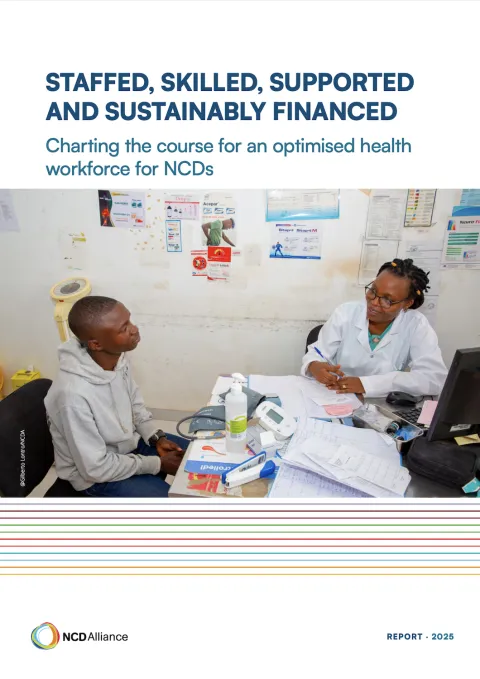
It builds on our 2019 brief, Protecting Populations, Preserving Futures, which outlined early priorities for improving workforce capacity and working conditions. The updated 2025 analysis revisits these issues in today’s context and reflects discussions taking place in the lead-up to the UN’s Fourth High-Level Meeting on NCDs and Mental Health in September 2025.
Health workforce event at UNGA
A summary video is now available from The State of the Global Health Workforce side event, held on 22 September during the UN General Assembly. The session brought together representatives from governments, global health agencies, civil society, philanthropy and the private sector to discuss practical ways to strengthen the NCD workforce.
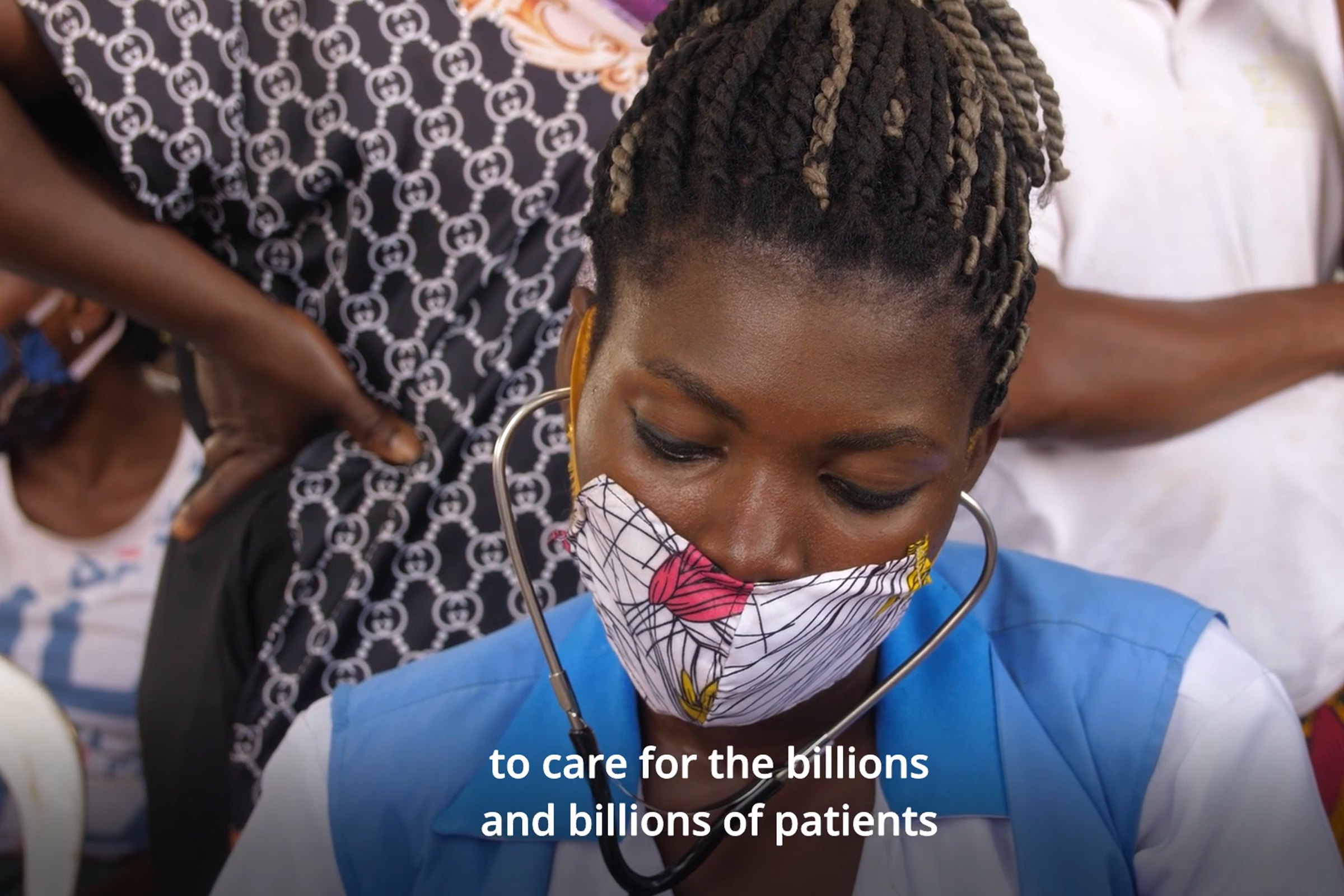
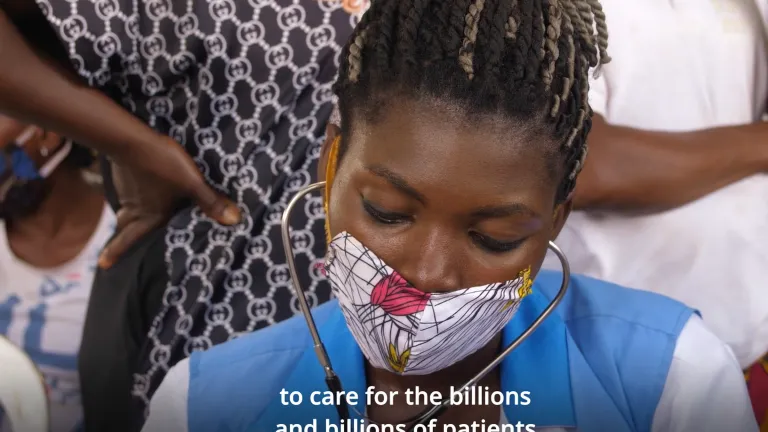
Co-hosted by the American College of Cardiology, the NCD Alliance and the World Heart Federation, the event highlighted findings from the Staffed, Skilled, Supported and Sustainably Financed report, alongside new insights from NCD Academy’s workforce surveys. Speakers shared examples of capacity-building efforts, including digital learning tools, multidisciplinary team approaches and public–private collaboration.
The WHO Academy also provided an overview of its NCD-related training resources and plans to expand the curriculum. A panel discussion featuring community health workers added important lived-experience perspectives, underscoring the need for sustained investment, supportive working environments and accessible training to ensure high-quality, equitable NCD care.